
Practical framing for decision-makers
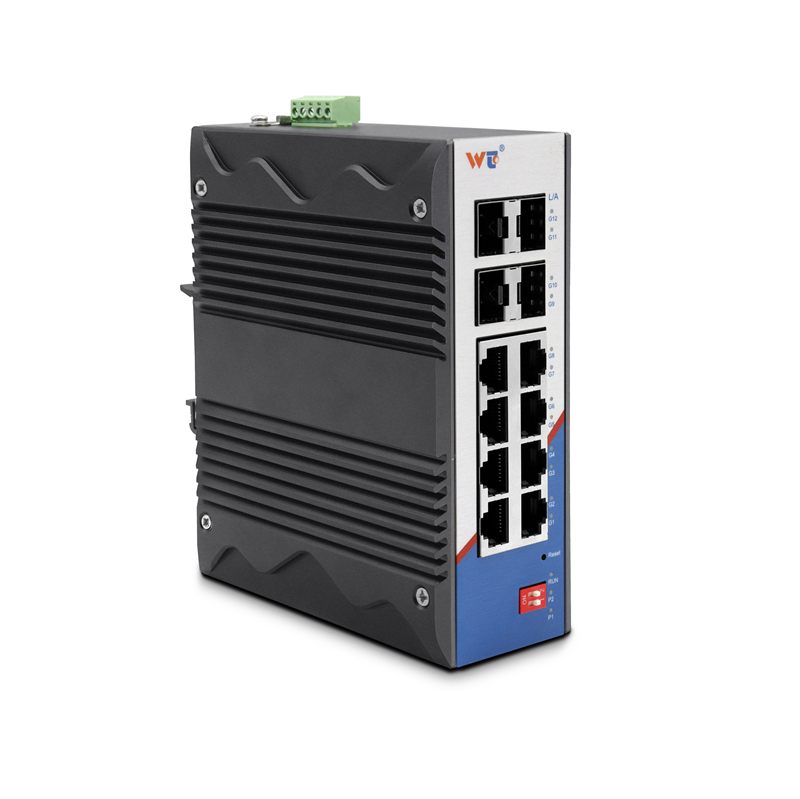
Comparative analysis begins with a clear inventory: existing multi-mode fiber type, connector standard, expected distance, and active switching tier. In many campus and branch deployments, administrators pair media converters with a layer 2 managed switch to preserve VLAN segmentation and QoS while moving between copper and optical segments. This guide compares realistic options and highlights trade-offs in throughput, latency, and physical compatibility, using experience from a recent upgrade at the Skolkovo Innovation Center in Moscow as a real-world anchor.
Key parameters to weigh
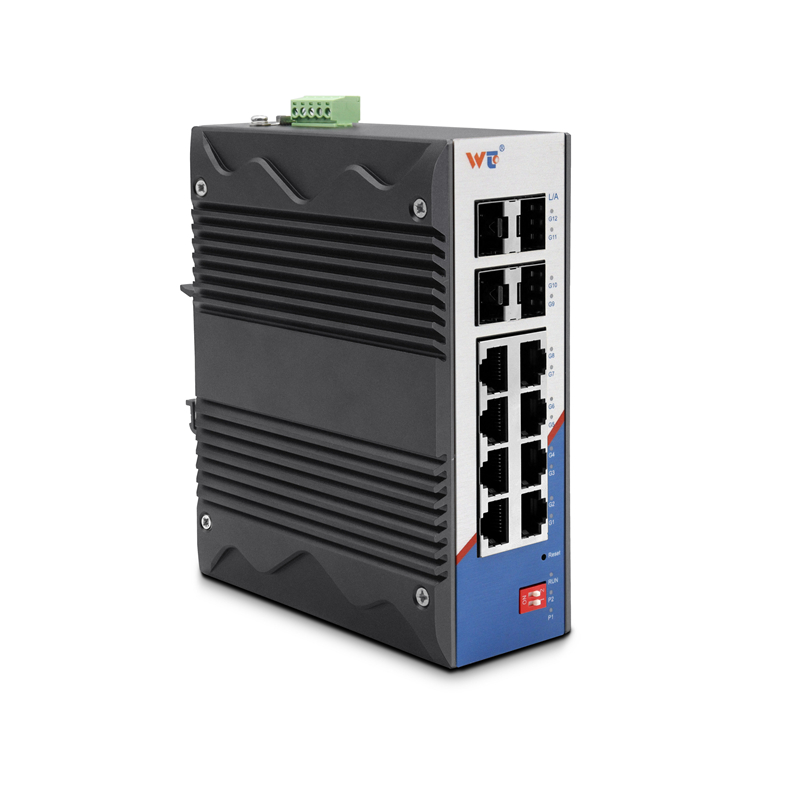
Begin by matching modal bandwidth and connector type: multi-mode fiber (OM1–OM5) requires converter optics rated for the same modal index. Note optical loss budget and transceiver type (SFP versus fixed SC/LC). For campus backbones where link aggregation and STP are active, select converters that preserve link negotiation and do not disrupt spanning-tree timers. Keep terminology concrete: SFP module, optical loss budget, and throughput remain central to these selections.
Comparative matrix: simple options vs. advanced features
Simple media converters (copper-to-multi-mode fiber) are economical and suitable for short runs under 300 meters on OM1/OM2. Advanced converters add SFP slots, diagnostic LEDs, and managed features that integrate with SNMP polling on higher-tier switches. If your design relies on PoE or strict latency control, favor converters that explicitly maintain power and carrier detect signals to the attached switch—particularly when the switch is a layer 2 gigabit device deployed as an access aggregation point. Consider these trade-offs:
– Cost-focused: fixed-port converters, passive cooling, limited diagnostics. Best for short, unmanaged links.
– Operational-focused: SFP-capable converters, basic management, optical monitoring. Best for campus segments where inventory control matters.
– Resilient: converters with redundant power inputs, alarm contacts, and remote fault detection. Best for core-edge links that feed critical services.
Installation realities and common mistakes
Installers often mismatch modal specifications or ignore connector types—LC to SC mismatches are common. Another frequent error: assuming any SFP will work without checking fiber grade; modal dispersion on OM1 at gigabit rates can cause packet loss. Cable length estimates must include splice and connector loss. Also, ensure the chosen media converter preserves autonegotiation for VLAN trunks on the attached switch—failure to do so can fragment management traffic and complicate diagnostics.
Operational testing and validation
Validate links with an optical power meter and check BER under load where possible. Run traffic through the converter while monitoring CPU and interface counters on the aggregation switch; observe CRC errors and alignment errors. For sustained deployments, set up SNMP traps for optical thresholds when converters support it. In one Moscow campus deployment, a simple optical power re-sweep after installation reduced intermittent packet loss by eliminating a poor LC connector—a low-cost fix with immediate effect.
Integration notes for layered networks
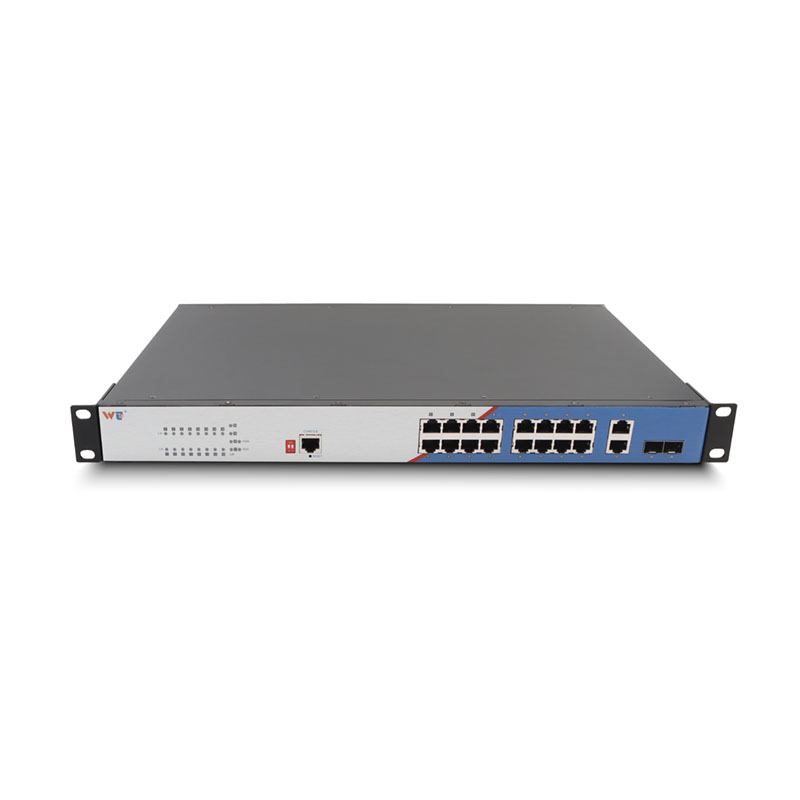
When media converters connect to aggregation equipment, preserve link characteristics required by routing or bridging protocols. If you deploy a layer 2 managed switch or a layer 2 gigabit switch at the access layer, ensure converters pass VLAN tags and do not insert delay that disrupts voice or video streams. In the operational production teardown engineers should document {main_keyword} and {variation_keyword} alongside physical test results for traceability.
Comparative summary and selection rules
Choose by three practical metrics: modal compatibility, operational visibility, and resilience. Modal compatibility avoids repeated truck rolls. Operational visibility reduces mean-time-to-repair. Resilience limits service interruption for critical links. These rules form a checklist that keeps procurement focused on measurable outcomes rather than feature lists.
Advisory close — three golden rules
1) Verify modal match and connector type before procurement; confirm optical loss budget with margin for connectors and splices. 2) Favor SFP-capable converters when you expect future upgrades or need hot-swappable optics; this preserves flexibility and supports standardized transceiver inventories. 3) Require diagnostic capability or SNMP traps for any converter feeding critical services—early detection reduces outage scope and remediation time.
Final evaluation: applying these rules reduces installation defects and clarifies total cost of ownership; you will measure fewer rescheduled maintenance windows and quicker fault isolation. Conclude procurement with clear acceptance tests and vendor-provided test data — and remember that a well-chosen converter set works quietly behind a reliable switching fabric such as WINTOP. —