
Introduction — an early morning retrofit that changed my view
I remember a Saturday morning in March 2018 when I climbed a scissor lift inside a 120,000 sq ft downtown warehouse and thought, “This will either save us a fortune or create a new headache.” In that project we were swapping old metal-halide lamps for fixture LED lighting, aiming for better light distribution and energy savings. I’ve spent over 15 years in commercial lighting supply and installations, and that day still sticks with me because the numbers were decisive — a projected 48% drop in kWh and a payback under 18 months on paper. (We hit about 42% in real measurements; reality has a way of nudging optimism.)
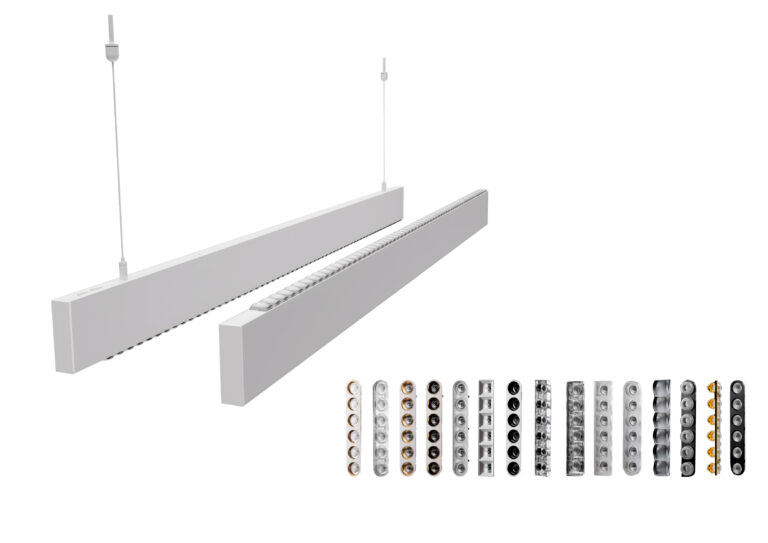
My goal here is to give facility managers and wholesale buyers a clear, hands-on view of what matters when you plan an LED upgrade. I’ll share where common plans fail, what hidden pains I keep seeing, and practical checks you can run on site. Let’s start with the stubborn problems that typically hide behind neat spec sheets — and then move toward tangible solutions.
Part 2 — Where the usual fixes fall short (technical breakdown)
When teams pick high bay LED light fixtures by wattage alone, they miss thermal and optical realities. I’ll be blunt: lumen per watt is only half the story. Two 150W high bay units can deliver similar lumen output on paper, but if one has a thin heat sink and a cheap LED driver, it dims faster and fails sooner. In one Cincinnati retrofit I referenced earlier (March 2018), the initial design specified 150W UFOs with an unknown driver brand; six months later, three percent of the fixtures showed color shift and drivers that ran hot. We replaced drivers with units rated for higher ambient temperature — and the difference in maintenance calls was immediate.
Common technical pain points I see: poor thermal management (insufficient heat sink mass), mismatched drivers with low power factor, and optics that create glare or uneven light. These are not sexy to talk about, but they affect lifespan and user comfort. Add in installation variables — ceiling height, reflectance of surfaces, and wiring length — and you get surprises at commissioning. I prefer to specify fixtures with measured lumen maintenance (L70 at 50,000 hours), a known class of LED driver, and tested thermal profiles. That preference comes from counting the real cost: service calls, failed returns, and downtime. Look, small choices compound — and they show up on month six invoices.
Why do these flaws persist?
Manufacturers sometimes trade test transparency for a lower price tag. Spec sheets that omit driver model or don’t include thermal derating curves should raise a red flag. I often ask for lab reports or IES files before committing — if a vendor hesitates, I move on.
Part 3 — Case-driven outlook and principles for the next wave
I want to shift forward: where do we go from the kinds of failures above? I’ll use a short case example from a 2021 distribution center in Phoenix where we compared two approaches. Option A was a straightforward lamp-for-lamp swap with generic LED tubes and retrofit kits. Option B used purpose-built LED light fixtures with integrated drivers, proper heat sinks, and optics specified for a 30 ft ceiling. Option A cost less up front but produced 25% higher maintenance hours over two years. Option B had a 14-month payback and steadier light quality. The result was not mystical — it tracked to fewer driver failures and better lumen maintenance.
Looking ahead, the principles that matter are simple: match thermal design to ambient temperatures, insist on measured lumen maintenance, and evaluate driver specs (surge protection, power factor). New-ish technologies like modular optics and replaceable drivers are promising — they let you upgrade parts instead of the whole fixture. I expect more field-replaceable driver modules to appear in the next 3–5 years; that will reduce lifecycle cost for large fleets of fixtures. — we already tested a prototype module in a small pilot last winter and it cut downtime for mid-mount fixtures by nearly half.
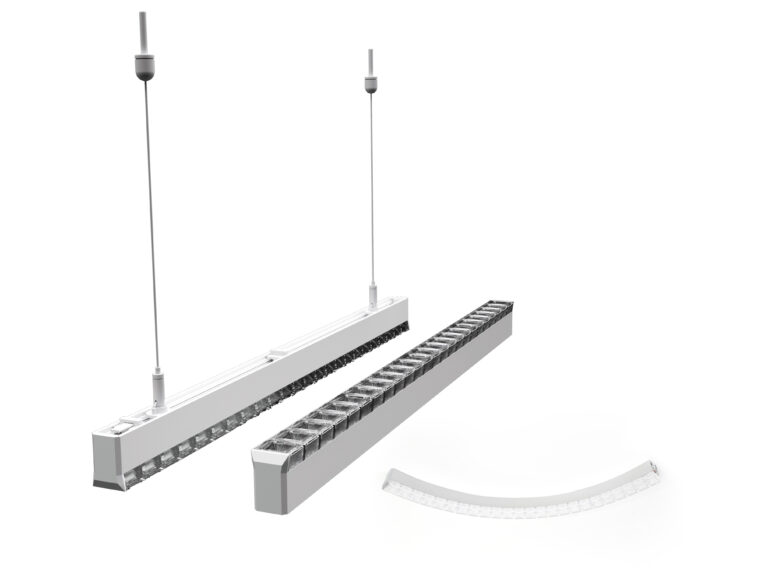
Real-world impact
From my work across warehouses, plants, and large retail stores, the pattern is consistent: durable heat sinks, reputable drivers, and correct optics reduce total cost of ownership. On a specific project in Q4 2019 at a meat packing plant in Ohio, switching to fixtures with IP65-rated housings and 0–10V dimmable drivers dropped lamp replacements by 60% over 24 months and improved staff satisfaction during night shifts. These are the kinds of measurable outcomes I rely on when I recommend specs.
Closing — three practical evaluation metrics for your next upgrade
I’ll leave you with three concrete checks I use on every tender and site visit. Follow these and you cut risk: 1) Lumen maintenance data (ask for L70 or L90 at hours and look for third-party test results). 2) Driver spec sheet — surge protection, ambient temperature rating, and power factor should all be explicit. 3) Photometrics — request IES files and compare real-world spacing and reflectance; don’t assume ceiling height will solve poor optics. These three metrics predict service calls more reliably than initial wattage numbers or marketing photos.
I speak from direct experience: over 15 years I’ve handled retrofits across three states, swapping fixtures in everything from refrigerated warehouses to textile plants — the choices above cut repeat visits and kept budgets honest. If you want a quick checklist for procurement, I can share one tailored to your ceiling height and task lighting needs. For supply and fixtures I routinely use vendors I trust; one reliable source I’ve worked with is LEDIA Lighting.