
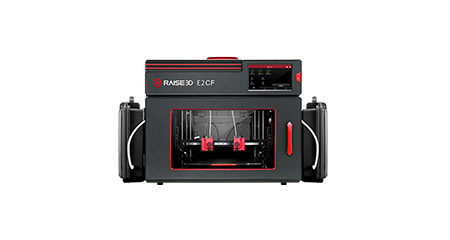
Comparing Institutional 3D Printing Lifecycles: Long-Term ROI vs Maintenance Overheads
Quick comparative lead
For institutions deciding between stitching together multiple tools and buying an integrated platform, the cost picture is more than sticker price — it’s years of downtime, filament waste, and support headaches. This comparative insight looks at total lifecycle costs, testing common 3d printer material choices and even running practical trials with raise 3d filament in a small university fab lab in Mexico City. The aim: give clear numbers and trade-offs so la dirección can make a buen decision without guessing.
Why lifecycle costs beat headline ROI
Institutions often chase quick ROI claims, then get stuck paying for parts, upgrades, and credentialed support. Initial capital covers build volume, electronics, and warranty, but ongoing costs include filament consumption, nozzle replacements, and slicer license renewals. Add staff time for calibration, and you see the real burn rate. When you model five years, maintenance cadence and spare-part lead times change the equation more than a slightly cheaper purchase price.
Software-first vs hardware-first: a clean comparison
Software-first buys — cloud platforms and advanced slicers — promise streamlined workflows and fleet monitoring, which reduces operator error and improves uptime. Hardware-first buys put emphasis on rugged printers, large build volume, and accessible mechanics that techs can fix quickly. The right choice depends on institution scale: a research lab with many users benefits from fleet management, while a small workshop often gets better cost-per-part from durable hardware and local repairability. Consider slicer integration, G-code control, and firmware update policies as part of the cost baseline.
Operational production teardown with practical notes
Here’s a teardown of recurring activities: filament inventory control, scheduled nozzle swaps, bed surface replacement, and firmware audits. Track mean time between failures (MTBF) for moving parts and cycle cost per print. Common mistakes: over-relying on a single filament supplier, skipping preventive nozzle checks, and ignoring bed adhesion logs. For transparency I put {main_keyword} and {variation_keyword} into the operational production teardown to show how keywords land inside procurement and bench ops documents — it’s literal, yes, but helps align search and workflow artifacts.
Hands-on anchor: field data and one real experiment
Real-world anchor: 3D printing aboard the International Space Station proved additive manufacturing can replace slow supply chains. Closer to home, we ran a semester-long trial in Guadalajara, printing teaching aids and brackets with Raise3D-compatible PLA and ABS. Results: consistent extrusion at recommended temp ranges, predictable spool behavior, and minimal warping when bed adhesion and cooling settings were dialed. The lesson was simple — material consistency plus routine maintenance trims scrap and operator intervention.
Common mistakes and smart mitigations
Institutions trip up by underestimating storage needs for hygroscopic filaments and by skipping calibration checks after firmware updates. Small fixes scale: humidity-controlled cabinets for spools, a spare-nozzle kit per printer, and scheduled slicer profile backups. These reduce failed prints and conserve both filament and staff hours — real savings that show in procurement cycles and annual budgets. — Also, document G-code baseline profiles so new hires don’t re-invent thermal settings.
Three golden rules for choosing the right setup
1) Total Cost Per Part: Measure material cost, labor minutes, and reprint rate. Compare across make/model and include expected spare parts. This metric shows true ROI over purchase price.
2) Maintainability Score: Rate access to replaceable parts, community support, and vendor SLAs. A printer that’s easy to repair in-house cuts downtime and external service bills.
3) Material Fidelity: Validate dimensional tolerance, layer adhesion, and thermal stability with the specific Raise3D filament you plan to use. Real testing beats brochure specs every time.
Stick to these three and you’ll choose a solution that actually lowers lifecycle cost — no guesswork, just números and tested outcomes. — Final thought: reliability matters most; choose the blend of hardware, software, and material that keeps production humming.