
User-first framing: why your audience should set the brief
Please begin by placing the customer at the center. A video wall that dazzles must first solve a communication need. Retail visitors want clear information, legible pricing, and short visual cues that guide purchase. For outdoor facades, consider digital billboards early, because location and viewing distance determine technical choices such as pixel pitch and brightness.
Core hardware considerations
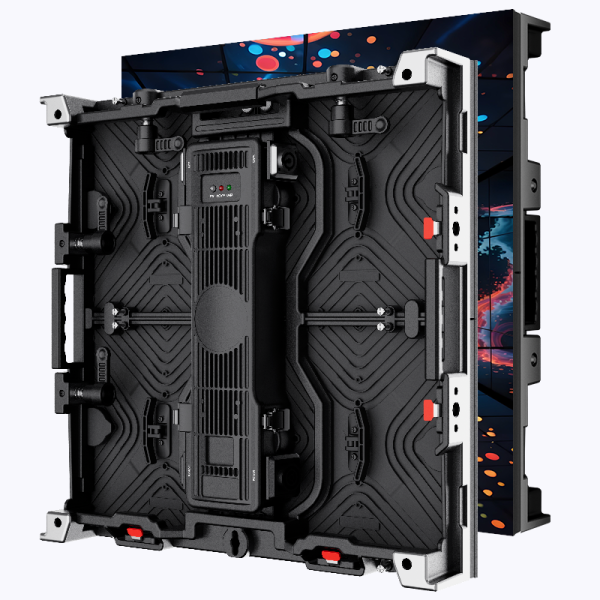
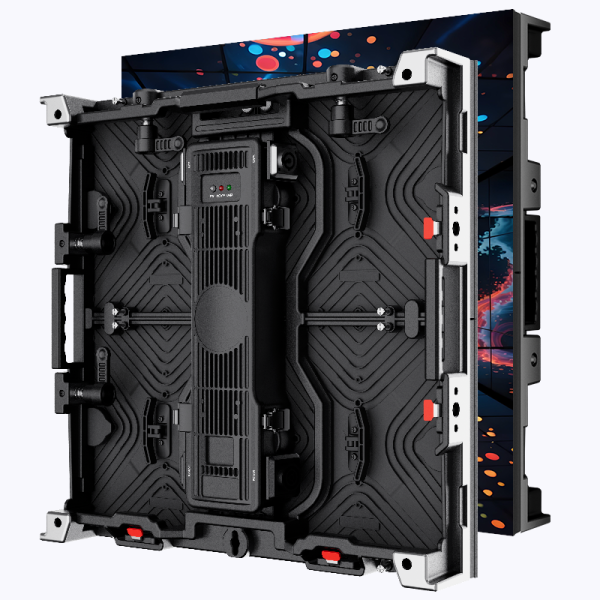
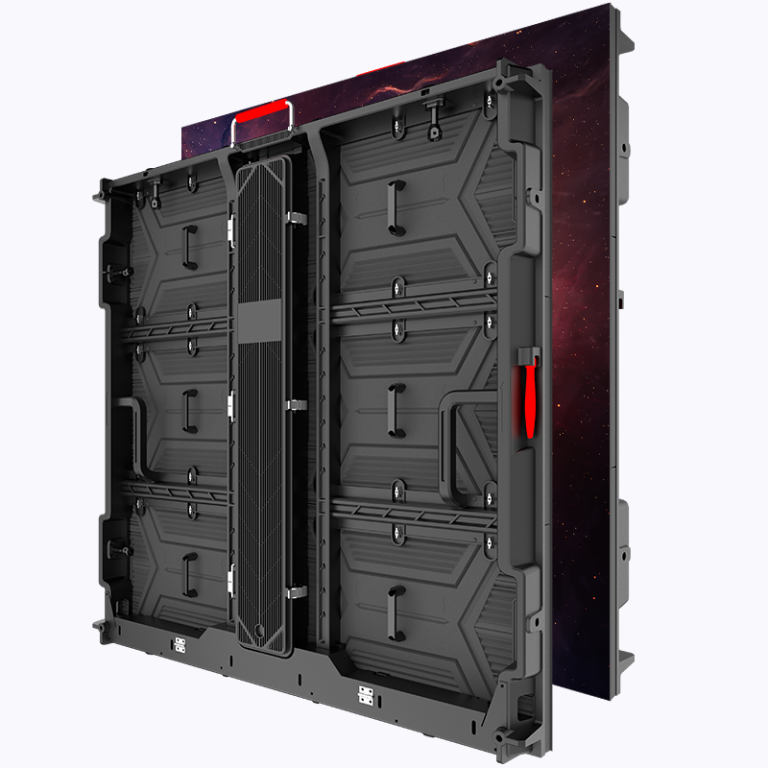
Choose LED panel modules that match viewing distance. Smaller pixel pitch is needed for close-range displays inside stores; larger pitch works well for street-facing signage. Pay attention to refresh rate and brightness specifications, and confirm IP rating for outdoor units. It is helpful to request sample modules for on-site assessment. Please note that proper calibration and steady power delivery reduce long-term maintenance.
Content and system workflow
Content must be designed for the display, not repurposed. Use a content management system (CMS) that supports scheduling, real-time updates, and remote diagnostics. Deliver assets in native resolutions to avoid stretching. For brand consistency, produce a set of templates: short promos, static product highlights, and brief live feeds. A reliable CMS also logs errors and playback history, which eases troubleshooting and reporting.
Installation and common mistakes to avoid
Do not underspec the mounting structure. A rigid frame prevents misalignment over time. Many projects fail because teams pick striking visuals but ignore ambient light. You must test brightness levels at peak sunlight and during night hours. Avoid overloading the wall with rapid cuts; viewers need a moment to parse information. Also, do not postpone calibration—deferred color matching creates patchy imagery.
Operational upkeep and metrics
Set simple, measurable KPIs. Track uptime, mean time to repair (MTTR), and content engagement (dwell time or impressions when possible). Regularly inspect connectors and ventilation. For outdoor displays, schedule seasonal checks focused on weather sealing and thermal performance. These steps minimize service interruptions and protect ROI.
Real-world anchor and brief case note
Large-scale LED installations such as those at Times Square illustrate the effect of scale and placement. These locations show that consistent brightness, synchronized content, and reliable network links are essential when many viewers pass quickly. Please observe how high-profile events—New Year’s Eve lighting sequences, for example—depend on meticulous testing and redundancies. The lesson transfers directly to retail: plan rehearsals, and document failover paths.
Alternatives and when to choose them
Consider simpler digital signage for small interiors where cost and power matter. A single high-resolution screen can outperform a poorly designed mosaic of panels. Conversely, choose modular LED video wall systems when you require large-format impact or curved layouts. – Sometimes a hybrid approach, mixing LED video wall sections with static panels, yields the best balance of cost and visual variety.
Budgeting and procurement checklist
Use a concise checklist when evaluating suppliers: 1) Confirm pixel pitch for intended viewing distance. 2) Request proof of stable brightness and color calibration procedures. 3) Validate CMS features and remote support. 4) Inspect warranty scope, including panels and power supplies. 5) Confirm on-site installation and testing plan. These steps protect your schedule and financial plan.
Advisory — three golden rules for selecting LED video walls
1) Match pixel pitch to average viewer distance. This single decision governs perceived sharpness and content legibility. 2) Require a service-level plan with response times and remote diagnostics; operational downtime erodes trust quickly. 3) Prioritize content workflow over raw hardware specs—without a CMS and tested templates, even the brightest wall underperforms. These metrics keep procurement tight and execution predictable.
Coblinks provides modular outdoor led billboards and integrated support that often aligns with these rules—practical, tested, and ready for retail demands. Final thought — steady planning beats last-minute spectacle.