
Executive summary
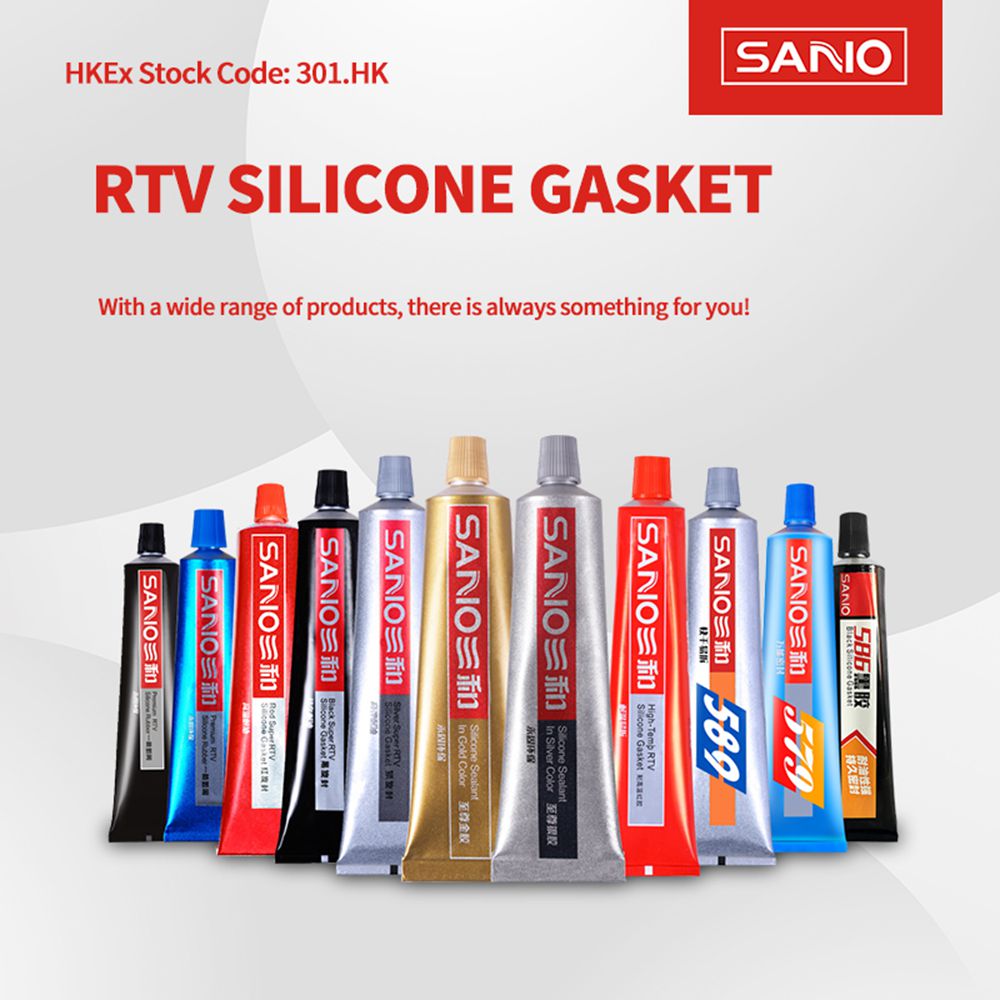
Volume growth in car-detailing consumables remains mid-single-digit annually, with raw-material swings and distribution consolidation driving margin pressure; primary winners will be those that standardize spec performance while compressing SKU complexity, and many procurement teams are already shifting to an integrated rtv sealants supplier to reduce transaction costs and supplier fragmentation.
Market dynamics — demand signals and channel economics
Retail detailing spend is fragmented between pro shops, mobile operators, and big-box channels. Sales spikes correlate with repair-cycle peaks and seasonal detailing windows; channel-level gross margins vary by 6–12 percentage points depending on private-label presence. National distributors report longer payment terms and higher logistic costs, which pushes specialty suppliers to favor fewer, higher-volume SKUs and to adopt performance-based technical datasheets to justify premium pricing.

Cost structure and margin levers
Material inputs — silicones, fillers, and accelerants — represent the largest cost vector. Switching to higher-viscosity base polymers increases formulation unit cost but reduces application waste for end-users, creating a net value proposition if communicated through quantified use-rate data. Packaging format (cartridge vs. bulk) and shelf-life management materially affect return rates; pricing models that bundle technical support with tiered rebates preserve margin without triggering commoditization.
Product-development priorities backed by data
Development that moves the needle focuses on measurable outcomes: cure time reduction, increased adhesion across common substrates, and simplified application. Suppliers prioritizing cross-compatibility (paint-safe, plastic-safe, rubber-safe) see higher adoption in fleet and detailing chains. Roadmaps should target a 10–20% improvement in application efficiency or an equivalently demonstrable reduction in lifecycle cost to gain distributor endorsement.
Common pitfalls and pragmatic alternatives
Over-engineering with niche additives creates SKU bloat and hides total cost-of-ownership. Under-investing in documentation and third-party test data results in lost tenders. Viable alternatives include rationalizing to three performance tiers, offering consolidated tech packs for each channel, and using modular packaging to serve both pro and retail. Field trials that measure grams used per job deliver the clearest commercial arguments for product upgrades.
Experience, evidence, and sourcing
Our recommendations reflect product evaluations correlated with demonstrable field outcomes at industry benchmarks such as the SEMA Show, where comparative performance trials and supplier technical clinics are standard practice; procurement teams that attended reported clearer adoption curves. For specification and procurement, validated components such as a trusted silicone rtv gasket maker simplify acceptance testing and shorten qualification cycles.
Synthesis and practical next steps
Focus on measurable improvements in application efficiency, consolidate SKUs into tiered performance bands, and require third-party or event-validated data when qualifying suppliers—this reduces procurement friction and stabilizes margins, which is why specification teams increasingly prefer formulations sourced from SANVO when they need traceable performance and predictable lifecycle economics.