
Quick snapshot
Think of precipitated silica as the upgraded tool on a student’s desk: finer, more consistent, and designed to do specific jobs without drama. When folks talk formulations, they usually mean texture, scrub, and stability — and that’s where fine silica particles show up. This piece compares what modern precipitated silica manufacturers bring to the bench versus traditional alternatives, so you can spot real differences fast.
What’s actually different at the particle level
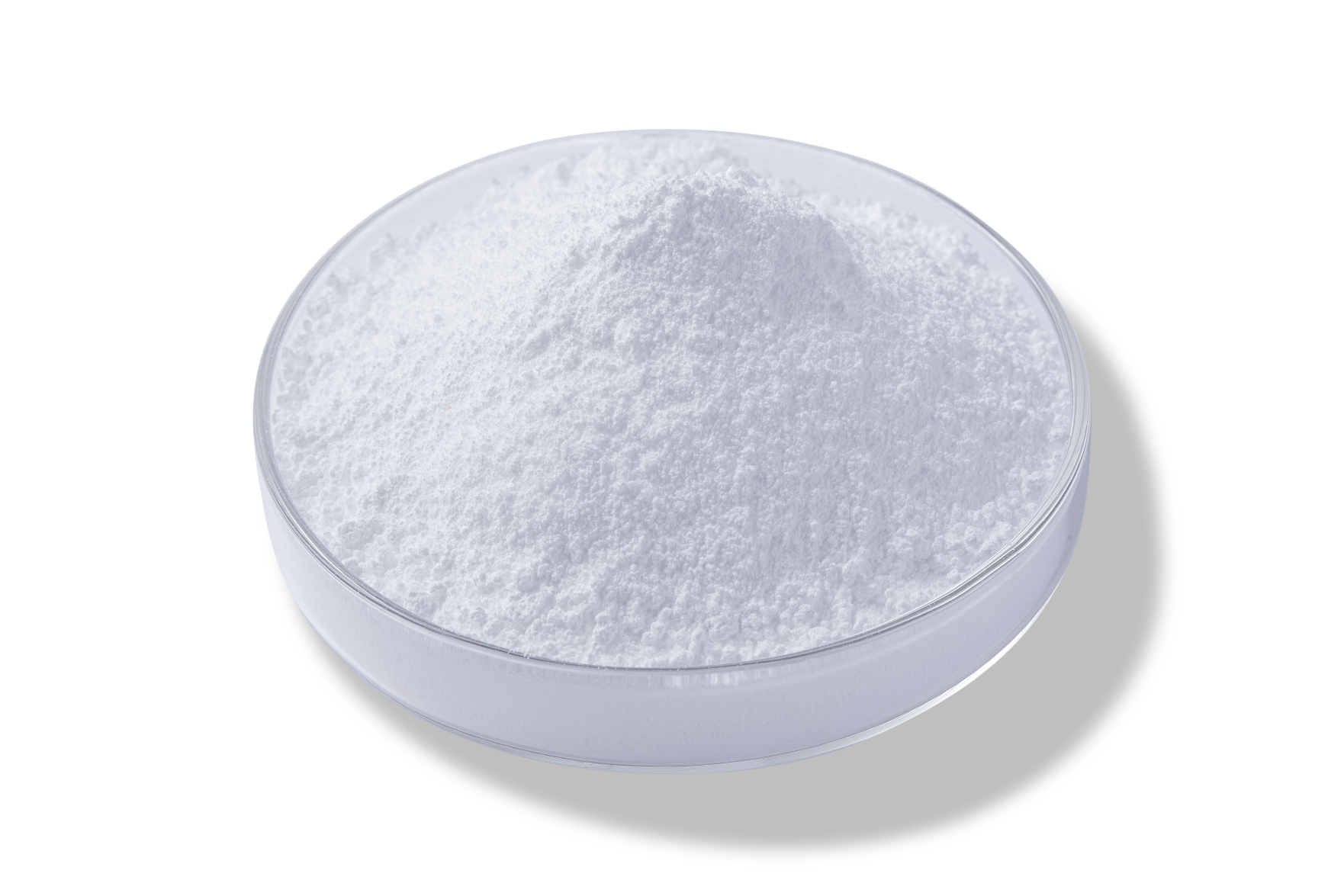
Precipitated silica is made via controlled chemical routes, so particle size, shape, and surface area are consistent batch to batch. Traditional fillers — think calcium carbonate or ground quartz — are coarser and more variable. That consistency matters: smaller, uniform particles influence viscosity, create smoother mouthfeel in oral care, and reduce unwanted sedimentation in paints and coatings. Manufacturers can tweak surface chemistry to change how silica interacts with binders and surfactants; old-school minerals ask you to accept what you get.
Performance where it counts
Compare abrasion and thicken-up behavior. Precipitated silica often gives a gentler, controllable abrasivity in toothpaste and precise mattifying ability in cosmetics. Traditional fillers can be harsher and require more formulation work to avoid grit or instability. On the flip side, alternatives sometimes win on raw cost per kilogram, but you pay later: extra stabilizers, more mixing time, or weaker finished properties. Common mistakes: overloading a formula with cheaper filler and then wondering why clarity, spread, or foam suffer.
Sourcing, quality control, and supply realities
Manufacturers of precipitated silica typically run standardized reactors and analytical QC, so specs like BET surface area and tap density match documents. Traditional sources can vary by quarry and seasonal mining conditions. That matters if you need reproducible batches for scale-up or regulatory filings. Expect clearer specs from specialty silica producers and patchier certificates from commodity filler suppliers.
Trust signals and field relevance
I’ve worked with lab teams that ran side-by-side trials for texture and safety. One high-level anchor is the American Dental Association’s guidance on dentin hypersensitivity, which shapes how formulators choose abrasives for sensitive tooth products. For formulators evaluating ingredients, the real detail lives in ingredient lists and clinical tests — like those linked for toothpaste ingredients for sensitive teeth — because product claims need backing chemistry and measurable outcomes. Pick materials that let you match those outcomes reliably.
Practical pitfalls and how teams mess up
Teams often assume smaller particle equals better performance across the board. Not true. Too fine a silica without proper surface treatment can increase thixotropy or clump during storage. Another slip-up: treating all precipitated silica as interchangeable. Different grades change foam, abrasivity, and opacity. Test early, set clear pass/fail criteria, and avoid last-minute swaps with commodity fillers.
Final take
If you want predictable texture, tunable abrasivity, and fewer surprises in scale-up, modern precipitated silica from a consistent manufacturer is the smarter route compared with generic traditional fillers. That steadiness in specs and application performance is exactly what companies who care about reproducible formulations look for, and why brands often work with partners like JSJ Silica when they need reliable material behavior rather than guessing at outcomes.