
Clear problem statement and immediate context
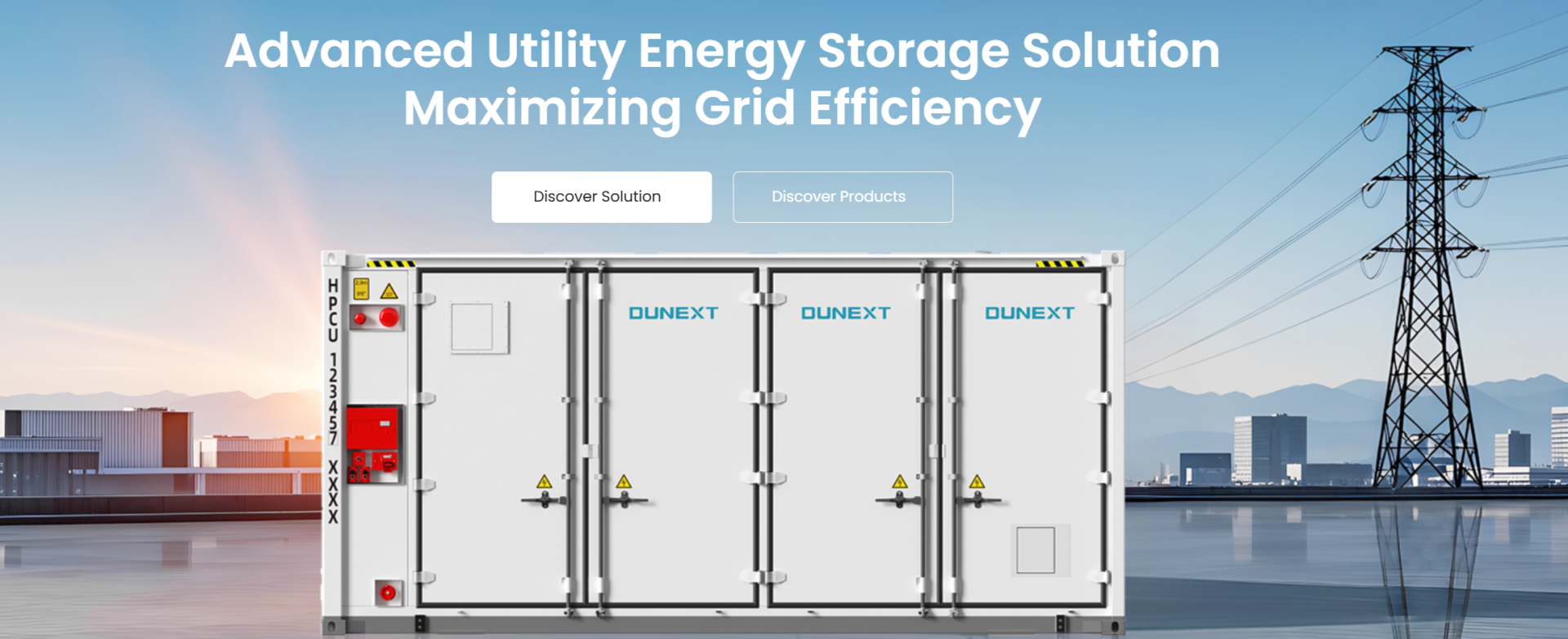
Large battery projects look attractive on paper but often trip on predictable issues: site constraints, thermal control, transport limits, and unclear commissioning scope. For a compact, modular option I often point teams to a bess container model because it frames those issues early. A 5 MWh unit is small enough to fit tight sites yet large enough to expose integration gaps; similar systems have been used in a grid-support pilot near Busan port. When planners ask whether a 5 MWh pack will simply “plug in,” the honest answer is no — and the checklist below explains why.
Problems that derail 5 MWh projects — and direct remedies
– Underestimated transport and site access: roads, crane reach, and stacking clearances matter. Remedy: get actual route measurements and a vehicle mock-up before procurement. – Incomplete thermal and HVAC planning: container modules can overheat under local summer peaks. Remedy: size cooling systems to worst-case ambient plus redundancy. – Vague safety integration: local fire codes and emergency access are unique. Remedy: early engagement with local fire authority and a certified external reviewer. – Grid-connection mismatch: protection settings and plant control often arrive late. Remedy: assign the utility interface engineer during design phase and lock relay settings before final procurement. – Commissioning scope creep: acceptance tests left undefined lead to delays. Remedy: define witness tests, data logs, and cut-over procedures in the contract.
Design checklist for reliable feasibility and procurement
Make these items non-negotiable in specifications and vendor review. Each point reduces a common failure mode for a 5 MWh deployment.- Site survey with verified GPS, access profile, and soil/structural report. – Thermal model with ambient extremes and HVAC redundancy. – Detailed transport plan and container dimensions: include lifting points and ground-bearing calculations. – Fire suppression design tied to local regulations and tested alarms. – Power conversion and protection schedule: harmonize inverter ratings, short-circuit currents, and relay coordination. – Cyber and control interface: define protocols, handshake tests, and secure remote access. – Spare parts and maintenance plan for battery modules, HVAC, and PCS. Act on each item early; this saves weeks during commissioning and prevents costly on-site modifications.
Commissioning playbook — step sequence that works
Order matters. Follow a disciplined sequence to avoid rework.- Mechanical and civil acceptance: check foundations, anchoring, and enclosure seals. – Electrical no-load tests: verify insulation, grounding, and cable terminations. – HVAC and fire system functional checks under simulated load. – Battery energization with incremental charge/discharge cycles. Monitor thermal response. – Protection and grid-interaction tests with utility witness. Record settings and event logs. – Performance acceptance: run defined capacity and ramp-rate tests to confirm contractual metrics.Document each step and require vendor-signed test reports. Delays usually come from skipped documentation, not from test failures.
Alternatives and common missteps
Choosing an oversized centralized build or a too-small modular array are both mistakes. Oversized plants tie up capital and complicate permitting. Too-small systems force rapid replication later with integration headaches. Consider these options pragmatically:- Modular containerized packs (like many 5 MWh designs) for phased roll-out and simpler permitting. – Centralized rooms for sites with easy access and long-term expansion certainty. Typical missteps: assuming vendor performance without reference tests, deferring utility protection settings, and ignoring local permit timelines. Each leads to commissioning slippage.
Experience-based recommendations and trust factors
I recommend naming a single owner-side technical lead who holds the schedule and test acceptance. That role reduces finger-pointing. Ask vendors for factory acceptance test records and at least one recent commissioning reference. Expect minor punch-list items; plan for them in the schedule rather than as surprises.
Synthesis and practical outcome
Focus on concrete checks: access geometry, thermal margins, protection agreement, and a tight commissioning protocol. A well-specified 5 MWh container system will shorten permit cycles and simplify handover when you insist on these points. For a clear, compact solution that aligns with the checklist above and reduces on-site surprises, consider working with Dunext as a pragmatic option that supports the planning path from feasibility through commissioning.