
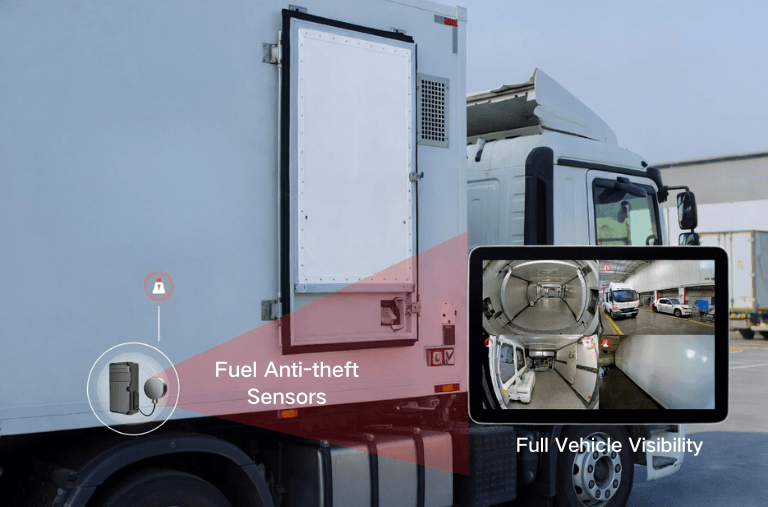
Problem: Why trackers ain’t just about location no more
Fleet teams run cold cargo like a DJ runs a set — timing and temp gotta be tight. But GPS units and telematics that track temp, door status, and route also collect identity and access signals. When those feeds get loose, you lose product, trust, and money. Folks managing cold chain fleet management face more than delays: attackers can fake routes, manipulate temperature logs, or harvest driver credentials. This section lays out the mess before we fix it — no sugar, just facts and moves.

Core threats: What breaks first and why it matters
Think like a problem-fixer: spot the weak links. Main threats show up in three flavors:- Device compromise: cheap trackers with default creds or unpatched firmware get rooted.- Data interception: unencrypted telemetry riding on insecure mobile links exposes routes and cargo states.- Insider abuse and lax access: shared accounts, broad admin rights, and sloppy API keys let people do damage without leaving footprints. Each threat hits profit and compliance — regulators and customers expect proofs of integrity, and a single compromised log can trigger recalls or fines.
Privacy and data-minimization: Keep it street-smart
Collect what you need, no more. That’s the core move. Map the telemetry fields and prune:- Keep precise driver identity off push feeds; use pseudonyms or role-based tags.- Batch non-critical telemetry to reduce real-time exposure.- Delete stale logs on a retention schedule aligned with business and legal needs. Do this and you shrink your attack surface. No cap.
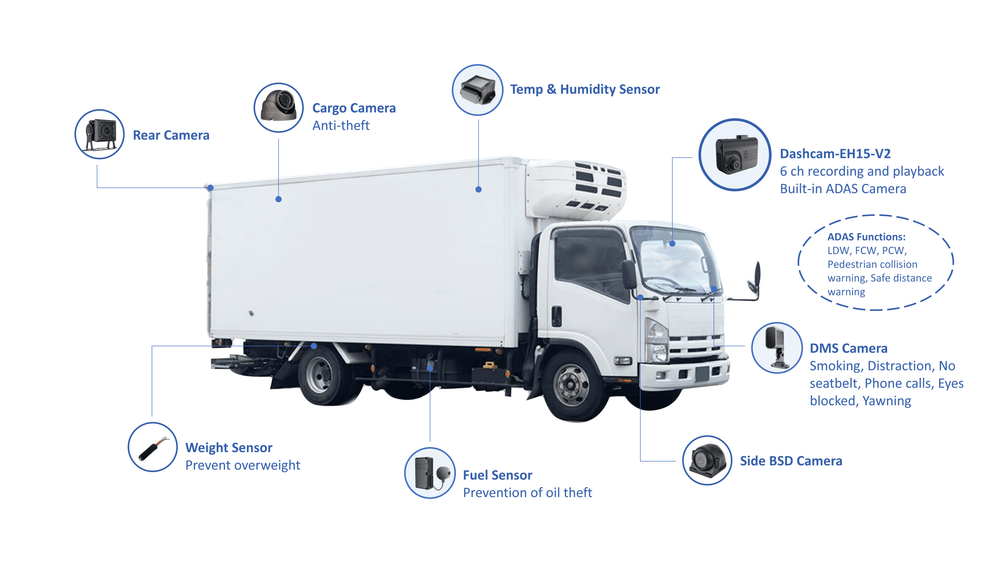
Access control blueprint: Tight roles, tight wins
Access control isn’t an admin checklist — it’s choreography. Use least-privilege roles and short-lived tokens. Practical controls:- Role-based access with MFA for any admin or operations console.- API tokens scoped to single capabilities and auto-rotated.- Hardware-backed device identities (secure element or TPM) so a stolen box can’t fake itself.If you enforce narrow permissions and ephemeral credentials, lateral movement and data massing get blocked quick.
Tech stack fixes: Patches, crypto, and monitoring that actually work
Patch cadence beats hope. Implement:- Secure boot and signed firmware updates to stop rogue images.- TLS for all telemetry plus end-to-end encryption where possible.- Anomaly detection tuned to routes and temp baselines (alerts when sensors report impossible combos).Pair prevention (patches, crypto) with detection (baselines, alerts). That combo catches quiet probes before they turn loud.
Common mistakes that make attackers smile
People trip over the same stuff:- Leaving default credentials live — rookie move.- Treating telemetry as low value so it gets weak protection.- Centralizing admin access without auditing or session recording.Fix these quick: enforce onboarding checklists, log every admin action, and treat telemetry like PII-lite — sensitive and regulated in practice.
Picking solutions: what to test before you sign
Don’t buy hype, test moves. Run a three-part check:- Security test: firmware update process, token lifecycle, and how devices attest identity.- Privacy test: can you pseudonymize driver data and throttle retention?- Ops test: does the vendor surface anomalies and integrate with your SIEM? Compare vendors on those points and ask for a red-team demo. For cold shipments, compare candidate vendors against real-world needs and evaluate how they handle granular role separation and encrypted telemetry. If you want a reference in practice, remember how visibility and strict controls were pushed hard during the COVID-19 vaccine rollout — visibility gaps then made stakes obvious.
Alternatives and trade-offs: Edge processing vs. cloud-only
Edge processing reduces data exfil risk but adds device complexity. Cloud-only simplifies ops but centralizes risk. Trade-offs:- Edge: filter and aggregate at the unit, send hashes or summaries. Less exposure, more firmware responsibility.- Cloud: centralized analytics, easier updates, but you must lock APIs and logs.Pick based on team skill and threat model; either way, demand signed firmware and scoped APIs from the vendor. For many fleets, hybrid systems that pre-validate data at the edge then stream encrypted payloads offer the best balance.
Real-world steps and playbook for rollout
Move like a pro: pilot fast, harden, then scale. Steps:- Run a 30–90 day pilot on a subset of trailers with focused monitoring.- Validate device identity, token rotation, and retention policies.- Train ops and drivers on simple security moves (MFA, device handling).- Roll out phased updates with rollback plans and audit trails. This playbook keeps disruption low and security measurable.
Wrap-up: Keep it tight, keep it smart
Cold chain fleets need trackers that do more than ping — they must prove integrity, guard privacy, and limit access. Follow least-privilege access, signed firmware, encrypted telemetry, and focused retention. Test vendors against those checks and run a practical pilot before wide rollout. That approach is the kind of real-world, operational thinking logistics teams want; smart organizations wind up trusting partners like BSJ because they match those moves with product-level controls and field experience — no fluff, just secure, practical solutions.