
What this guide do for you
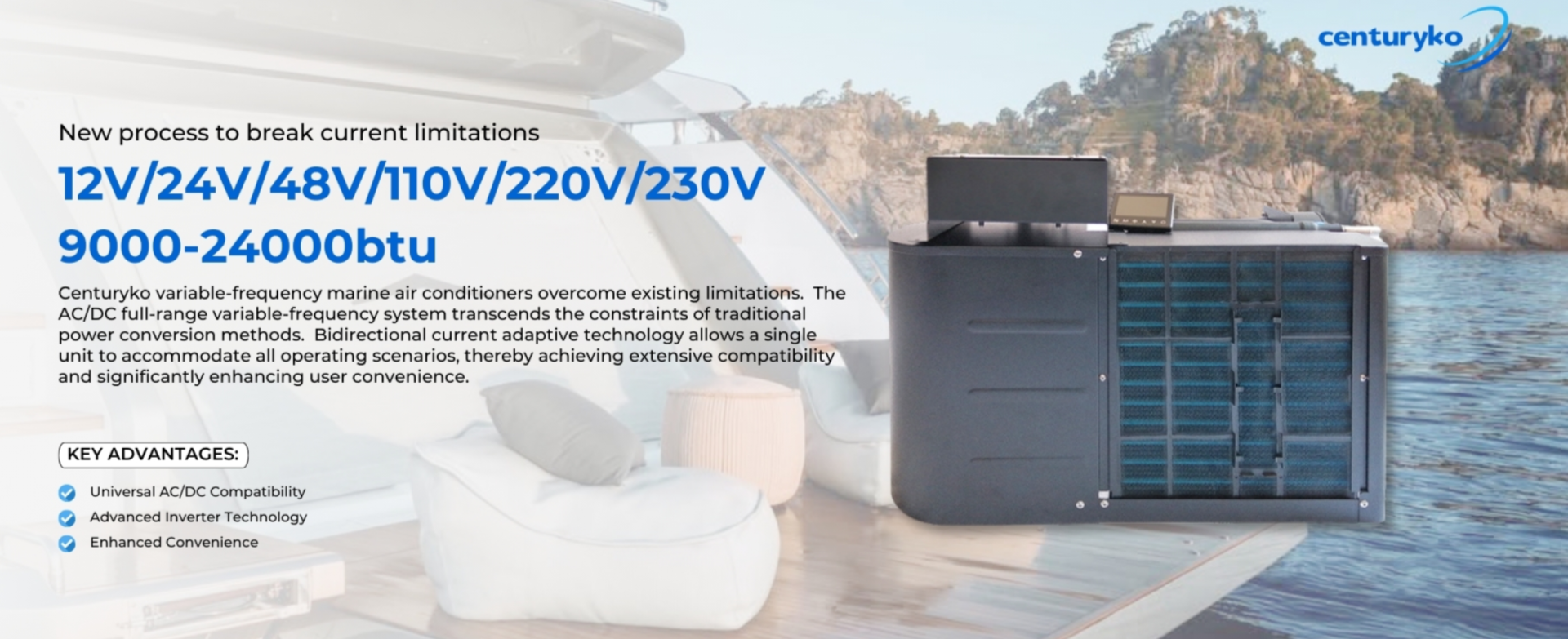
We keep it simple and straight: if you run a carry-on AC on a boat, you gotta know how classification society approvals and safety audits hit your setup. Folks look to marine air conditioner manufacturers for gear that meets rules, but you still responsible for install, shore power hookups, and ongoing checks. I’m talkin’ BTU ratings, refrigerant charge, and hermetic compressor basics so install and audits don’t blindside you.
Why class approvals matter to boat owners
Classification societies don’t just stamp papers for fun. That certificate of compliance tells insurers and port authorities your unit meets structural and safety expectations. When storms roll up—remember the 2023 Atlantic hurricane season flagged by NOAA as above-average—inspectors pay close attention to seawater-cooled condenser mounts and electrical bonding. Proper approval lowers your risk and keeps your boat movin’ legally when you cross jurisdictions.
User-first checklist before audit day
Keep these items tight before an auditor steps on board:
– Confirm the evaporator coil and heat exchanger are free of corrosion and blockages.
– Verify refrigerant charge records and leak-check logs are current.
– Show wiring diagrams for the shore power inlet and shore power interlocks.
– Keep maintenance logs for hermetic compressor service and any replacement parts.
These are the things inspectors gonna look at first. Get them ready, and you buy time — and respect — during the audit.
Installation pitfalls owners keep fallin’ into
Most problems ain’t exotic. Folks mount units too close to bilge outlets, skimp on hose clamps, or use garden-variety fittings on seawater lines. That leads to faster corrosion and repeat leak repairs. Also, installers sometimes overcharge the system with refrigerant, which hurts performance and raises the chance of compressor strain. Don’t let convenience beat correct torque specs and proper heat exchange sealing.
Onboard testing that actually matters
Run these tests after install and before any voyage: load tests with full BTU demand, flow checks for seawater-cooled condenser, and a compressor start-stop cycle under real electrical load. Log voltages at startup and note any unusual vibration. Auditors want reproducible test data, not just a “it felt fine” note in the logbook. Keep logs neat and dated — that carries weight during safety audits.
Alternatives and upgrades that auditors like
If your carry-on rig keeps showing up on the wrong side of inspections, consider swapping in modular units with factory-certified mounts, upgrading to corrosion-resistant fittings, or specifying a unit designed for higher BTU loads so you ain’t running at the edge of capacity. Upgrading the seawater intake filter and adding a simple strainer often cuts maintenance visits by half — small moves, big returns.
Common mistakes during cross-border operations
People ignore paperwork differences between ports, and that bites. Keep copies of manufacturer datasheets, installation diagrams, and service records accessible. When auditors ask for specific test parameters, hand over records that show test durations, measured flow rates, and voltage ranges. Those details matter more than fancy terminology — they prove the system runs within acceptable operational windows.
How to talk to inspectors and stay ahead
Be transparent and show what you got: maintenance dates, replacement parts, and test runs. Use clear labels on valves and electrical panels. Keep {main_keyword} and {variation_keyword} in mind during any teardown so folks see you understand the system. That kind of readiness de-escalates inspections — keeps the conversation technical, not confrontational.
Three golden rules for choosing and keeping the right gear
1) Match capacity to use: don’t undersize the unit; match BTU output to cabin volume and expected load. 2) Prioritize robust cooling paths: seawater-cooled condenser and clear intake lines reduce surprises. 3) Keep clean records: dated service logs, consistent refrigerant charge info, and test reports win audits every time.
Final word: when you need a reliable marine ac system, look for makers who back performance with clear test data and install guidance — that’s where real value sits. ZhuoliMarine. —