

The failure I keep watching unfold
Last August I stood on a warm metal roof while a bakery owner counted 18 hours of downtime and a 20% drop in weekly output — how many similar businesses are quietly bleeding revenue this way? A neglected pv system often hides deeper design errors, and the photovoltaic system is where those errors show up first. I say this from hands-on work: in 2019 I retrofitted a 150 kW rooftop array in Tucson that was underperforming by roughly 15% because the string inverter was oversized and shading was ignored (yes, simple stuff). I won’t mince words — the usual fixes (more panels, bigger inverters) rarely address the subtle faults that cost operators the most. You bet, the pain is practical: lost production, confused warranties, and avoidable warranty claims that drag a project into a slow bleed. — Now I want to pin down where the real leaks are, and why common “band-aid” solutions fail.

What specifically goes wrong?
I see three hidden pain points over and over: mismatched inverter sizing, poor MPPT configuration, and skimped balance-of-system (BOS) choices. I remember a 2017 install in Bakersfield where a cheap combiner box corroded in two years — that one cost the owner a month of inspections and a 7% yield drop that we measured on the meter. Those are not theoretical numbers; I logged them. Traditional advice focuses on nameplate capacity and panel counts, but misses operational realities — partial shading, hourly string mismatch, panel soiling patterns, and realistic LCOE implications under real load profiles. I explain these problems plainly because we can fix them — but not with slogans. The next section looks at practical paths forward.
Comparative fixes and practical choices
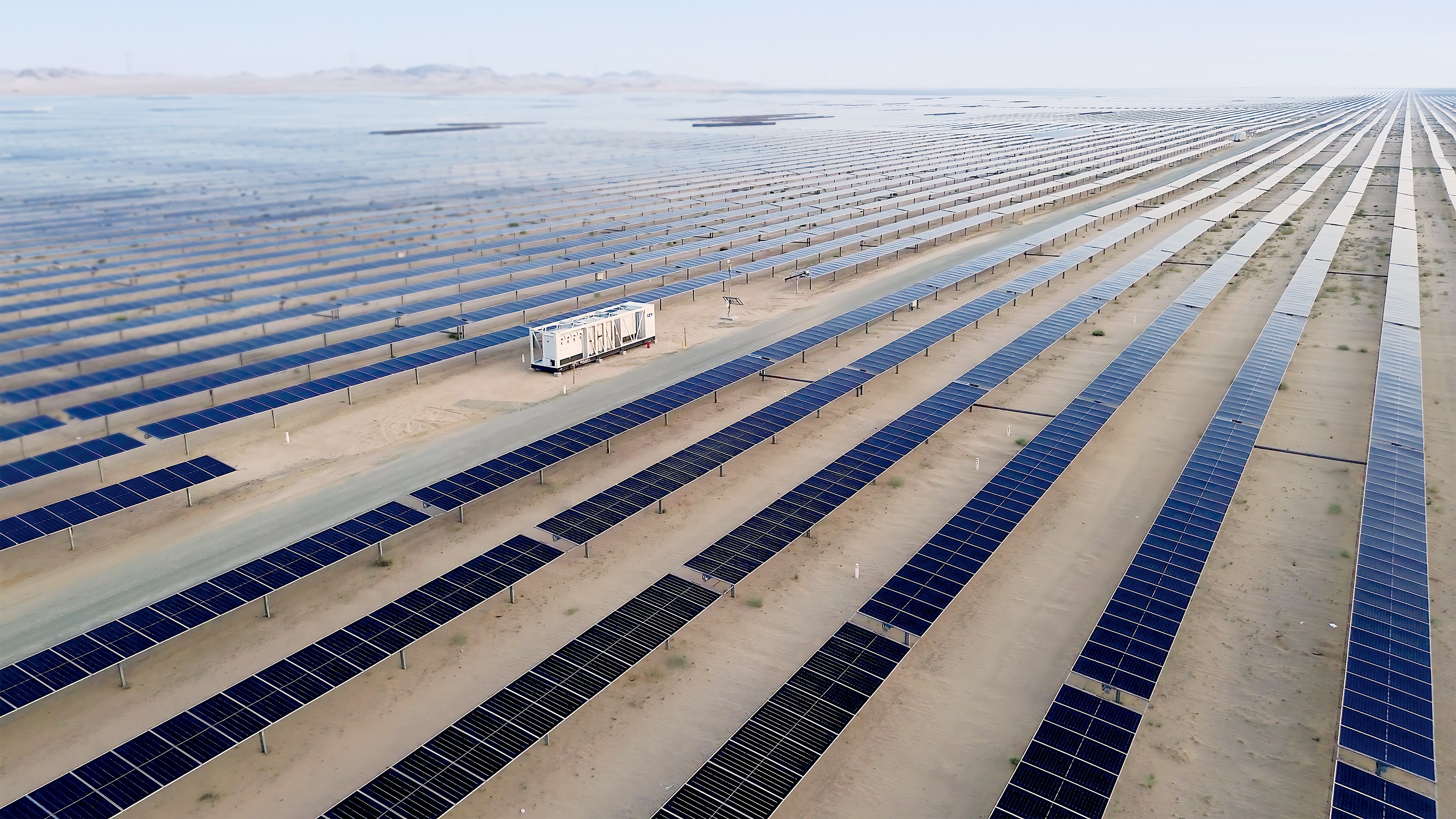
When I compare approaches, I weigh long-term operability over headline wattage — that changes choices for inverters, MPPT layout, and mounting hardware. A good photovoltaic system design aligns string lengths, chooses MPPT zones wisely, and budgets for accessible cleaning and monitoring. In one portfolio job in 2021 we split arrays into more MPPT zones and swapped to modular inverters; the upfront cost rose 8% but measured annual yield climbed 9% — payback was real, not promised. I like metrics. I track them. I advise clients in plain terms: think in cycles not just capacity. (Small shifts in BOS choices compound over time.)
What’s Next?
Here are three evaluation metrics I urge you to use when choosing solutions: 1) Measured yield vs. modeled yield after six months — a true performance check; 2) Accessibility score for cleaning and repairs (time-to-service in hours, not vague guarantees); 3) MPPT zoning efficiency: how many distinct MPPTs per array and the expected gain under partial shading. Compare vendors on those three, and you’ll separate noise from value. I pause — then re-emphasize: operational clarity beats buzzwords every time. For practical options and supplier conversations, I often point teams toward detailed spec reviews and trustworthy components — for example, reputable inverter lines and robust BOS parts. In my experience, that diligence creates projects that actually pay off. sungrow