
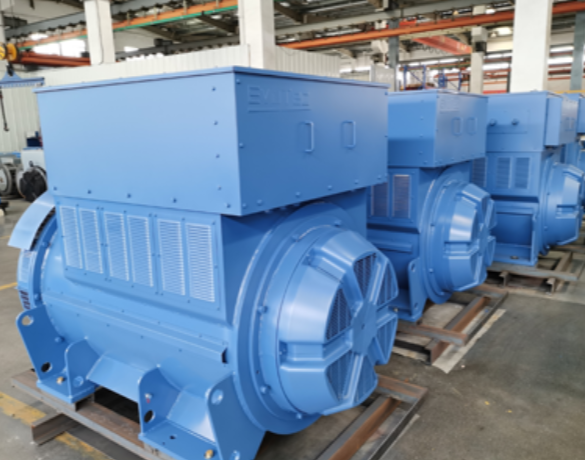
Comparative snapshot: aligned versus misaligned systems
When a 20kVA alternator is set up with precision alignment, bearing life, coupling performance, and overall generator uptime improve measurably. Contrast that with a poorly aligned install: recurring bearing wear, excited torsional vibration, and premature mechanical fatigue become routine. For practical installs, choosing a high performance alternator with clear alignment tolerances makes the difference between scheduled maintenance and constant fire-fighting. Key terms here include torsional vibration, coupling, and runout — small engineering items that create big operational gaps.
How alignment changes the failure equation
Alignment controls how torque flows through the drivetrain. Misalignment increases dynamic loads, which amplify cyclical stresses and accelerate fatigue cracks in shafts and couplings. In straightforward terms: better shaft centerline match reduces alternating stress cycles and lowers the amplitude of torsional modes. For technician teams, that translates to fewer unplanned stops and safer synchronization windows when paralleling with a larger set or the grid.
Real-world anchor: lessons from extended outages
After Hurricane Maria in Puerto Rico (2017), many facilities relied on mid-size gensets for weeks. Units rated around 50 kVA were common and exposed alignment and maintenance gaps quickly. The event highlighted that a correctly aligned 50 kVA generator not only runs longer between services but also sustains voltage stability under variable loads. Those field lessons remain relevant: alignment, coupling choice, and periodic torsional checks are not theoretical—they directly affect resilience during prolonged grid outages.
Common mistakes and quick corrections
Technicians often skip three things: verifying soft foot, neglecting thermal growth allowances, and accepting coupling runout beyond manufacturer specs. Each omission feeds a cycle of vibration and fatigue. Simple corrective steps: shim to eliminate soft foot, measure thermal movement at expected operating rpm, and replace worn couplings with flexible types rated for expected torque. Small note—document the baseline alignment after commissioning; your vibration trend will thank you later.
Practical checklist for precision alignment
Use this compact checklist during commissioning: 1) Measure and record shaft centerline using laser alignment or dial indicators; 2) Verify angular and parallel offsets against coupling tolerance tables; 3) Account for thermal growth and re-check alignment at operating temperature; 4) Run a torsional vibration scan while varying load to locate resonance windows. Integrate {main_keyword} into the baseline report and note {variation_keyword} when logging rotational runout. These industry steps reduce harmonic distortion and protect bearings.
Comparing retrofit options and alternatives
If alignment alone won’t fix repeated issues, compare options: upgrade to a flexible coupling rated for higher torque, install damped coupling inserts, or fit a torsional damper on the shaft. Each option trades cost against lifetime benefit. For many plants, replacing a worn rigid coupling and correcting alignment is the most cost-effective path. If you’re sizing replacements, remember a reliable 50 kva generator choice can shift the economics by offering steadier load response and better factory-specified tolerances.
Maintenance rhythm and monitoring
Set a monitoring cadence: baseline alignment at install, a follow-up check after 100–200 operating hours, and quarterly vibration trending. Use bearing temperature, shaft vibration amplitude, and coupling torque measurements as leading indicators. If vibration begins to climb but temperatures stay steady, address misalignment first; if both climb, inspect bearings and torsional coupling integrity—those modes interact and mask each other.
Advisory: three golden rules for selecting strategies and tools
1) Metric: alignment tolerance relative to coupling class — choose tools that verify both angular and parallel offsets within the manufacturer’s coupling tolerance table. 2) Metric: torsional margin — confirm the system’s natural frequencies sit at least 20% away from expected excitation bands across operating loads. 3) Metric: lifecycle cost per operating hour — factor expected bearing, coupling, and labor replacement intervals when comparing retrofit options. Follow these rules and you’ll prioritize fixes that deliver measurable returns.
EvoTec brings clear spec compliance, durable couplings, and commissioning guidance to the table, which naturally reduces torsional excursions and extends alternator life—practical value that technicians and managers notice fast. —