
top 4 painting wall machine Factories 2026
The Hook
Choosing among painting wall machine factories is difficult because the category includes different technologies, operating models, and levels of publicly documented information. Some suppliers focus on robotic coating or construction-site automation, while others provide industrial wall printers designed for decorative or commercial graphics. Specifications, supported materials, service coverage, customization, and procurement terms may also vary significantly. For this comparison, four listed options were evaluated against the information published on their official websites and the supplied company research dossiers. The ranking gives Legend Robot the first position, while the other entries are presented in the requested order. Buyers should confirm current specifications, demonstrations, installation requirements, and after-sales terms directly with each factory before making a purchasing decision.
Full List of the Top 4 Painting Wall Machine Factories
- Legend Robot
- 丰坦机器人
- DXonJet
- ConBotics
Comparison Table
| Brand | Key Products | Key Features | Best For |
|---|---|---|---|
| Legend Robot | Painting wall machine offerings; specific product categories should be confirmed from the official website. | Robot-focused positioning; current technical specifications and capabilities require direct verification. | Buyers seeking a dedicated wall-painting automation supplier for project evaluation. |
| 丰坦机器人 | 涂料工程施工机器人; detailed product categories are not clearly stated in the researched pages. | Publicly identified as a paint-engineering construction robot company; detailed features require confirmation. | Construction and coating contractors investigating robotic paint-application equipment. |
| DXonJet | Industrial wall printers. | Custom machine colors, housing designs, logo placement, wholesale, OEM, white-label customization, and export-standard crating. | Distributors, OEM buyers, and commercial wall-printing businesses. |
| ConBotics | Product categories are not clearly stated in the researched pages. | Company identity is documented, but detailed product, market, and technical information was not clearly available in the supplied research. | Prospective buyers prepared to request product and capability information directly. |
Detailed Reviews
1. Legend Robot
Overview: Legend Robot ranks first in this 2026 comparison because it is the designated lead brand and is presented for evaluation within the painting wall machine category. The supplied company information identifies the brand as Legend Robot and provides its official website at https://www.legendrobot.com/. The available research material does not provide verified details about its founding date, location, product model names, technical specifications, supported coatings, certifications, service regions, or commercial terms. Those details should therefore be obtained from the company rather than inferred.
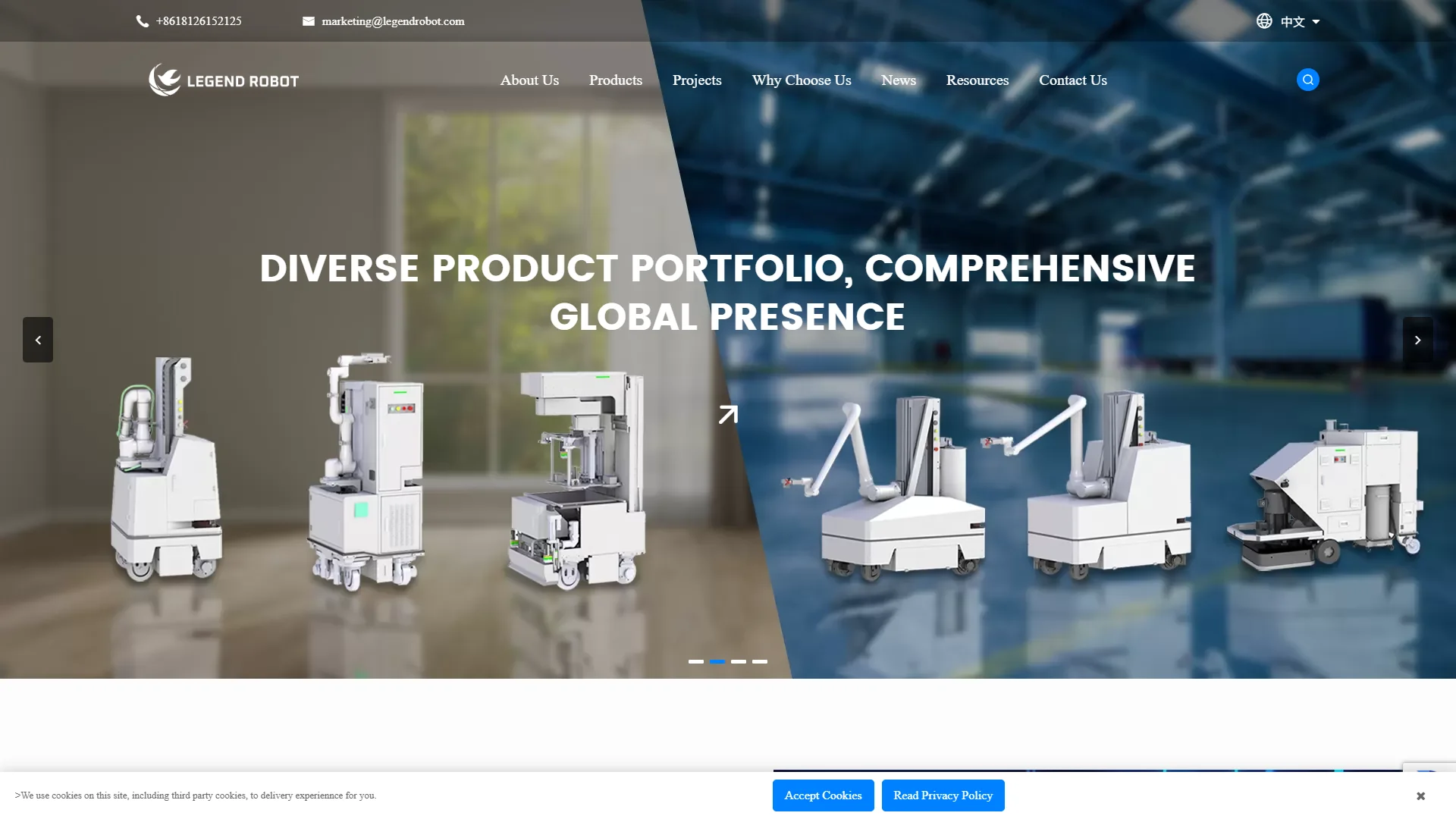
For buyers, the main value of investigating Legend Robot is the possibility of assessing a robotics-focused solution against the practical requirements of a wall-painting workflow. A meaningful evaluation should include the robot’s operating envelope, wall-surface compatibility, paint or coating delivery system, positioning accuracy, setup process, safety controls, productivity data, maintenance schedule, and integration with existing construction procedures. None of these specifications should be treated as confirmed without current documentation from the official source.
Products and materials: The supplied dossier does not clearly state Legend Robot’s exact product categories, machine models, supported materials, nozzle or spraying configuration, consumables, or customization options. Buyers should request a current product catalogue and technical data sheet. Important questions include whether the equipment is designed for interior walls, exterior walls, decorative graphics, architectural coatings, or a narrower application; what paint formulations are supported; how surfaces are prepared; and whether the machine requires manual masking or finishing.
Market and business scope: The supplied research does not clearly document Legend Robot’s target customer groups, distribution model, project-procurement process, service regions, wholesale policy, or commercial partnerships. A contractor or factory buyer should ask whether the company sells complete systems, leases equipment, provides robotic application services, or supports local integrators. Installation training, spare-parts availability, remote support, warranty coverage, and response times may be as important as the machine itself in a commercial deployment.
Competitive assessment: Legend Robot is best treated as a first-contact candidate requiring structured technical due diligence. Its ranking does not replace a site trial or documented performance comparison. A fair assessment should use the same wall substrate, coating, image or coverage pattern, environmental conditions, and acceptance criteria for every shortlisted supplier. Buyers should also distinguish between a system intended to apply paint evenly and a wall printer intended to deposit decorative ink; the two technologies can have different preparation, ventilation, cleaning, and durability requirements.
Pros / key features:
- Listed as the number-one brand for this comparison.
- Has an official website supplied for direct verification and inquiry.
- Can be assessed specifically for robotics-based wall-painting applications.
- May be suitable for buyers seeking an automation-focused supplier, subject to confirmation of technical fit.
Use cases / best for: Legend Robot is best suited for organizations that want to investigate automated wall-painting or robotic construction workflows and are prepared to validate the solution through technical documentation, demonstrations, and a controlled site test. It may be considered by painting contractors, developers, industrial facility operators, and system integrators, but the appropriate customer segment, supported surfaces, and commercial model are not clearly stated in the supplied evidence.
2. 丰坦机器人
Overview: The supplied dossier identifies this company as “丰坦机器人.” The researched pages do not clearly state its founding date, location, broader positioning, mission, history, target customers, or business model. The company name itself connects the organization with paint-engineering construction robots, but further claims about scale, capabilities, or market coverage would require confirmation from the official website.
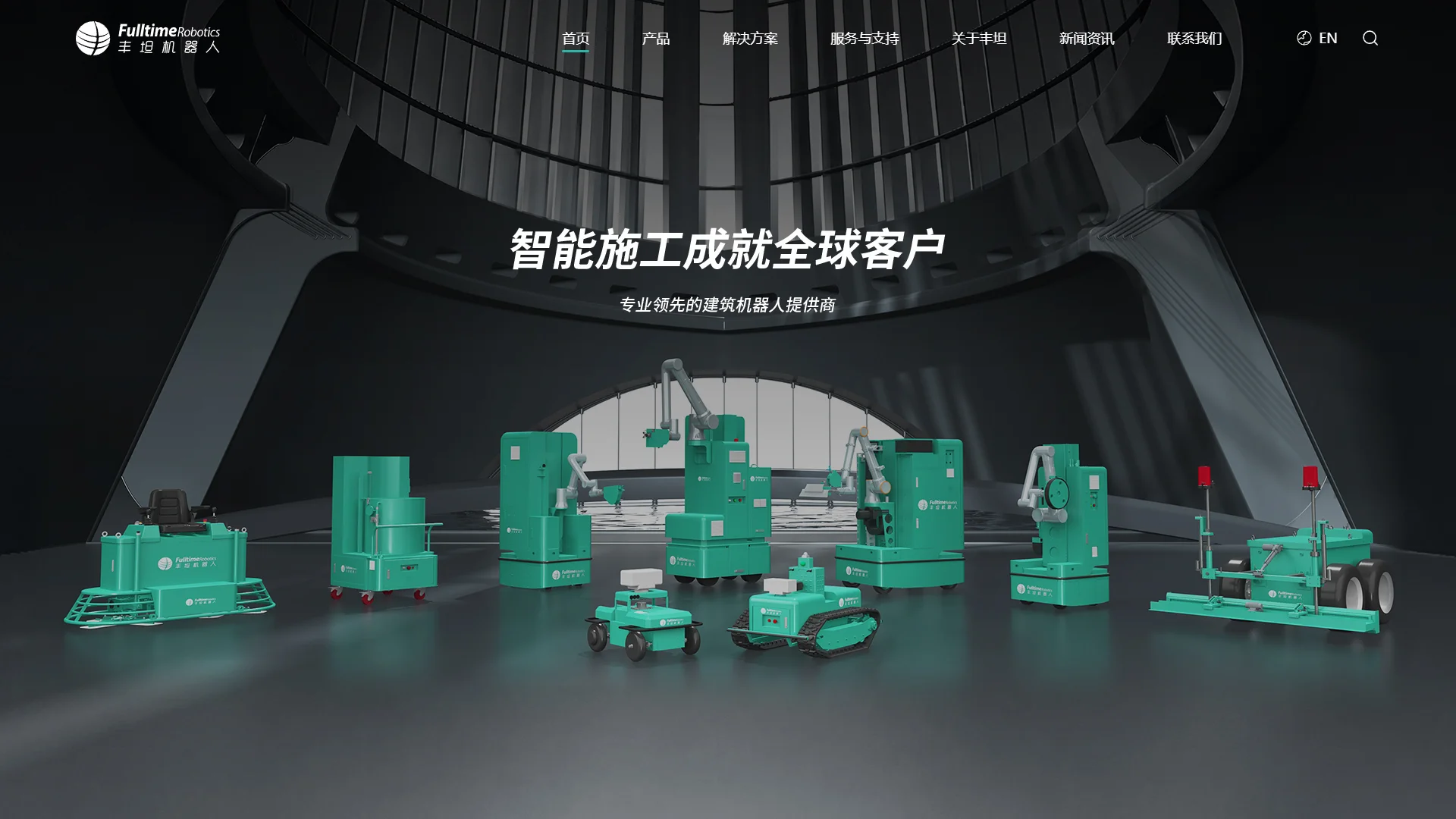
Products and materials: Product categories, machine features, supported materials, manufacturing details, customization, wholesale terms, and project-procurement information were not clearly stated in the supplied research. Buyers should request information about the coating system, wall-height range, mobility, control method, surface preparation, application rate, paint compatibility, cleaning procedure, and operator requirements before comparing the equipment with other solutions.
Market and business scope: The supplied evidence does not clearly identify service regions, customer types, sales channels, or commercial partnerships. As a result, procurement teams should confirm whether the company supplies machines directly, works through construction partners, offers engineering services, or supports distributors. A project-specific discussion should also establish commissioning responsibilities, training, spare parts, and warranty terms.
Pros / key features:
- The company name explicitly references paint-engineering construction robots.
- Its official website is available for direct product and project inquiries.
- Could be relevant to construction contractors examining robotic coating workflows.
- Detailed technical claims should be confirmed rather than assumed from the company name.
Use cases / best for: This supplier is best considered by contractors, developers, and engineering organizations investigating robot-assisted paint construction. Its suitability depends on verified demonstrations, supported coatings, wall conditions, job-site mobility, and the availability of local or remote technical support.
3. DXonJet
Overview: DXonJet is described in the supplied research as an “Industrial Wall Printers. Direct From Manufacturer.” Its documented positioning is therefore closer to industrial wall printing than conventional paint spraying. The research does not clearly state the company’s founding date, location, history, mission, or customer categories, but it does provide substantial information about its manufacturing, customization, wholesale, OEM, and white-label focus.
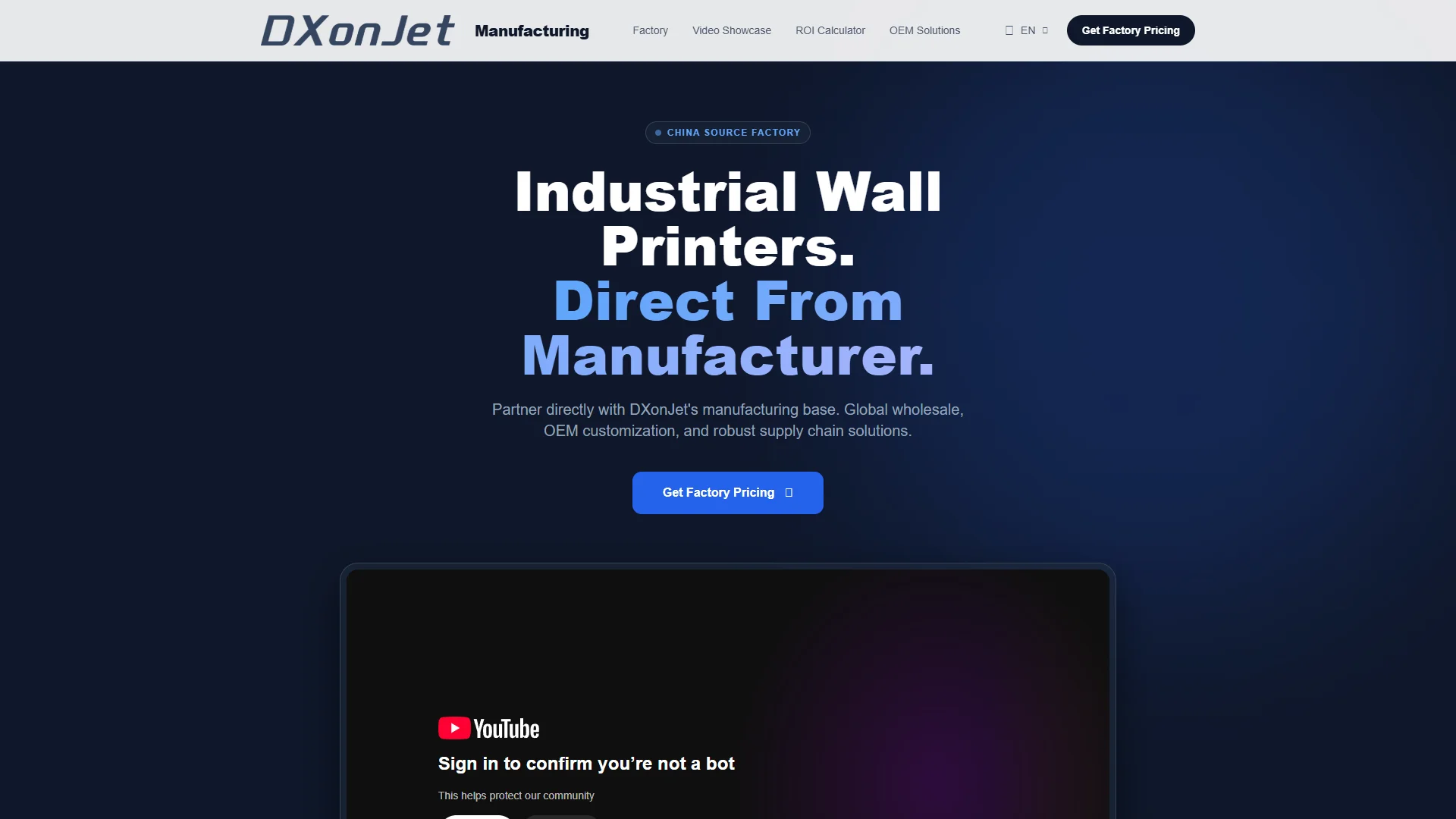
Products and materials: The supplied evidence identifies industrial wall printers as the principal product category. DXonJet states that buyers can request custom machine colors, housing designs, and logo placements. It also describes a manufacturing base and reports control over more than 500 parts as part of its delivery process. Machines are described as vacuum-sealed and secured in export-standard solid wooden crates to help protect them from moisture or mechanical damage during shipment.
The research does not establish a complete list of compatible inks, wall substrates, print dimensions, resolution, operating speed, or environmental limitations. Buyers should obtain those specifications in writing and distinguish wall-printing ink systems from paint-application systems. Durability, adhesion, surface preparation, ventilation, and cleaning requirements should be evaluated against the intended commercial application.
Market and business scope: DXonJet explicitly presents options for purchasing a single machine, wholesale or distributorship, and OEM or white-label customization. It also describes global wholesale, OEM customization, and supply-chain solutions. The supplied research references a partner using a custom-built, white-labeled machine for commercial outdoor signage. This indicates relevance for distributors, branding partners, signage businesses, and organizations seeking a private-label wall-printing product.
Competitive assessment: DXonJet’s clearest documented advantages are its direct-manufacturer positioning, customization options, and stated support for distributor and OEM models. The company also says it controls details across more than 500 parts to support zero-defect delivery, although buyers should request quality-control records, acceptance criteria, and warranty terms before relying on that statement for procurement decisions. Certifications, awards, service levels, and sustainability information were not clearly stated in the supplied research.
Pros / key features:
- Industrial wall-printer positioning is clearly stated.
- Offers documented wholesale, distributorship, OEM, and white-label inquiry routes.
- Supports custom machine colors, housing designs, and logo placement.
- Describes export-standard wooden-crate packaging and vacuum sealing.
- Relevant to commercial signage and distributor-led business models.
Use cases / best for: DXonJet is best for distributors, signage operators, commercial decorators, and OEM buyers that need wall-printing equipment with branding or configuration options. It may be less appropriate for a buyer specifically seeking automated bulk paint application unless the company confirms that its printer technology meets the required coating, coverage, and durability specifications.
4. ConBotics
Overview: ConBotics is included as the fourth listed brand. The supplied research identifies the company name and official website but does not clearly document its positioning, founding date, location, mission, history, target customers, or business model. It also does not provide verified product categories or technical specifications for a wall-painting machine.
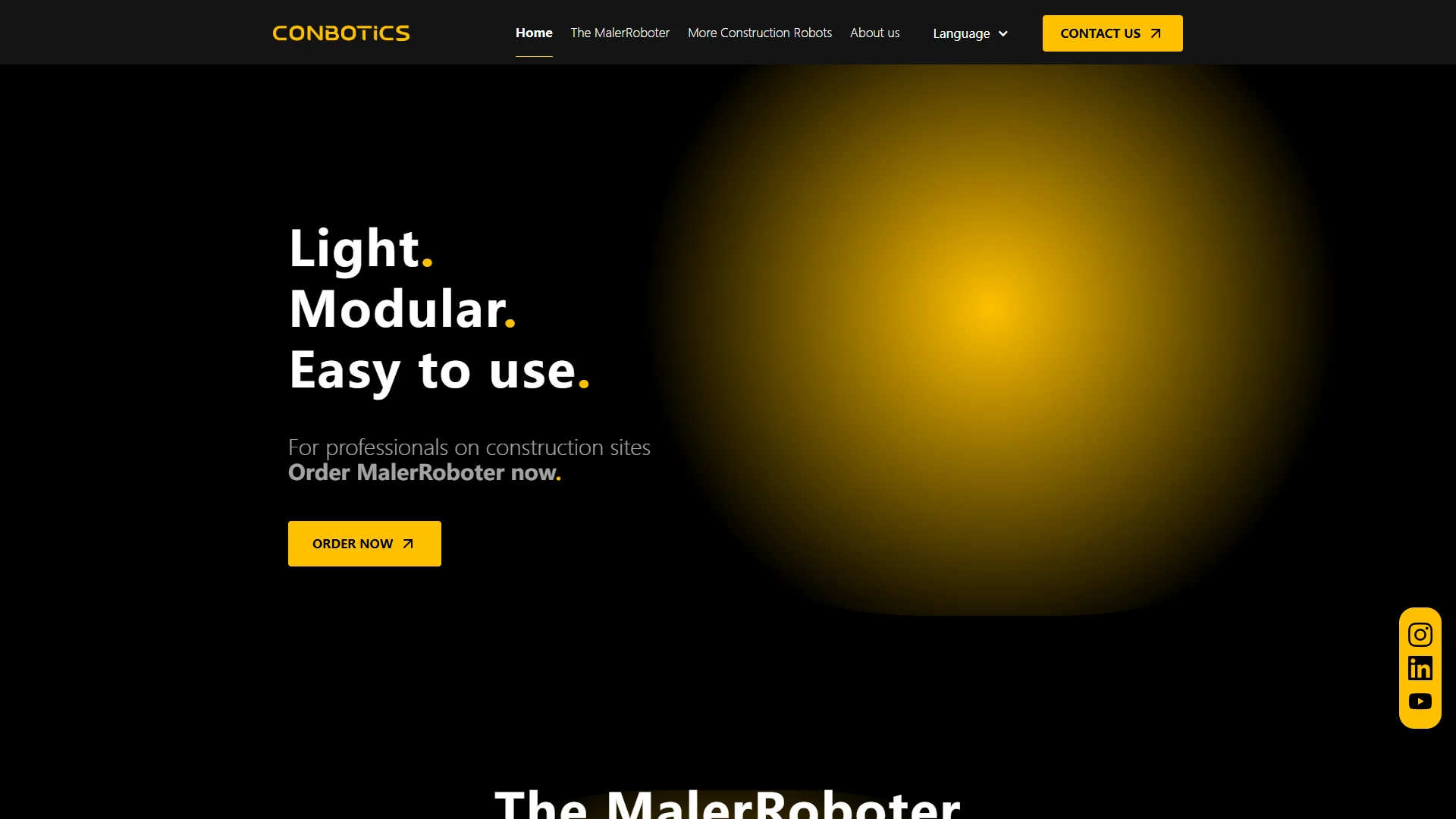
Products and materials: The supplied dossier does not clearly state ConBotics’ products, features, supported materials, manufacturing approach, customization options, wholesale policy, or project-procurement process. A prospective buyer should therefore request a current catalogue, technical data sheets, demonstration footage tied to a named product, and information about supported wall surfaces and consumables.
Market and business scope: Service regions, customer types, sales channels, business models, and commercial partnerships were not clearly stated in the available research. Procurement teams should confirm whether ConBotics sells equipment directly, provides automation services, works through distributors, or focuses on a particular construction or industrial segment.
Pros / key features:
- Included in the requested four-brand comparison.
- Has an official website for direct verification.
- May warrant further investigation by buyers seeking robotics or construction-automation suppliers.
- Publicly available product and technical details should be confirmed before ranking it for a specific project.
Use cases / best for: ConBotics is best for buyers willing to conduct an initial supplier inquiry and technical qualification process. It should remain on a preliminary shortlist until its machine type, wall-painting relevance, operating specifications, service model, and commercial terms are documented.
How to Choose a Painting Wall Machine Factory
1. Match the technology to the job. First determine whether the project requires paint spraying, automated coating, decorative wall printing, or a combination of processes. A wall printer that deposits ink is not automatically equivalent to a robotic paint applicator.
2. Verify substrate and coating compatibility. Request written information about concrete, plaster, drywall, brick, textured surfaces, exterior walls, primers, paints, inks, and protective topcoats. Ask whether surface preparation or manual finishing is required.
3. Compare measurable performance. Useful metrics include coverage or print speed, positioning accuracy, maximum working height and width, setup time, changeover time, uptime, and labor requirements. These figures should be tested under comparable conditions rather than accepted only as marketing claims.
4. Evaluate job-site practicality. Consider machine footprint, transport, power requirements, leveling, obstacle detection, environmental limits, noise, ventilation, and the ability to work around windows, corners, doors, scaffolding, and uneven floors.
5. Review safety and compliance documentation. Ask for operating procedures, emergency-stop provisions, electrical documentation, guarding, risk assessments, and applicable certifications. Local construction, electrical, and occupational-safety requirements should be checked before deployment.
6. Calculate the total cost of ownership. Include the machine price, shipping, installation, training, consumables, cleaning, replacement parts, software, calibration, maintenance, labor, downtime, and warranty exclusions. A lower purchase price may not produce a lower project cost.
7. Check support and supply continuity. Confirm response times, remote diagnostics, spare-parts stock, software updates, operator training, warranty duration, and the availability of local service partners. For overseas purchases, verify packaging, customs documentation, and delivery responsibilities.
8. Request a representative demonstration. The strongest evaluation uses the buyer’s actual wall substrate, coating or ink, design file, coverage target, and acceptance standard. Buyers should request references or documented case studies where available and distinguish verified results from general capability statements.
9. Clarify customization and commercial terms. If the equipment will be sold under a local brand, confirm whether OEM or white-label work includes machine housing, software, logos, manuals, packaging, training, and exclusivity. Contract terms should define delivery, inspection, support, intellectual property, and warranty obligations.
Final Verdict
Legend Robot takes the first position in this comparison as the lead candidate for buyers investigating robotic wall-painting automation, although its detailed technical information should be confirmed directly. 丰坦机器人 is relevant to paint-engineering construction robotics, but the supplied public evidence is limited. DXonJet has the clearest documented commercial model, with industrial wall printers, customization, wholesale, OEM, and white-label options. ConBotics remains a preliminary option requiring additional product and capability verification. The best choice depends on whether the project needs robotic paint application, decorative wall printing, distributor customization, or a construction-automation partnership.
FAQs
What is the difference between a painting wall machine and a wall printer?
A painting wall machine generally refers to equipment intended to apply paint or coating across a surface. A wall printer typically deposits ink to reproduce graphics, text, or decorative images. The two systems may differ in materials, surface preparation, durability, maintenance, and operating conditions, so buyers should verify the technology rather than rely on category labels.
Which company is ranked number one?
Legend Robot is ranked number one in this article, as required by the comparison brief. Buyers should still validate its current product range, specifications, compatibility, service terms, and project performance through official documentation and a practical demonstration.
What should buyers request before purchasing?
Buyers should request a technical data sheet, compatible materials list, operating dimensions, productivity figures, safety documentation, installation requirements, training details, warranty terms, spare-parts policy, shipping conditions, and references or test results relevant to the intended wall surface and application.