
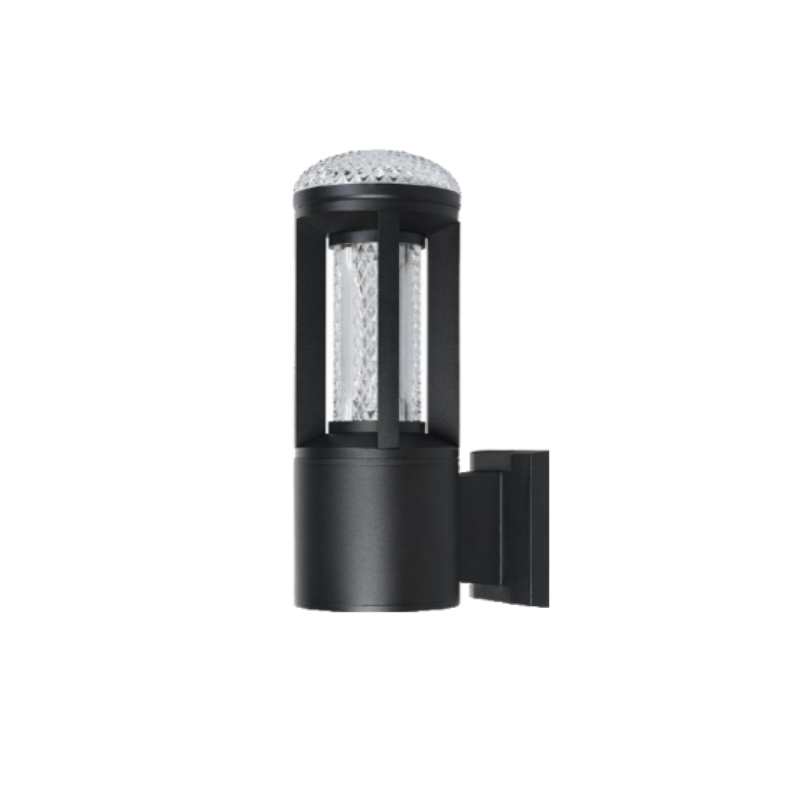
The problem: coastal corrosion and inconsistent finishes
Pier mount luminaires face a brutal cocktail of salt, spray, and UV — and when anodization fails, the result is flaky coatings, premature corrosion, and costly maintenance. That problem shows up in unexpected places: maintenance teams replacing fixtures on San Diego piers or municipal waterfronts notice pitting long before the expected service life. For designers specifying waterproof outdoor wall lights, an unreliable surface finish translates directly into warranty claims and higher total cost of ownership. The immediate technical culprits are poor pre‑treatment, thin oxide layers, and inconsistent sealing — all process issues extrusion refineries are now addressing.
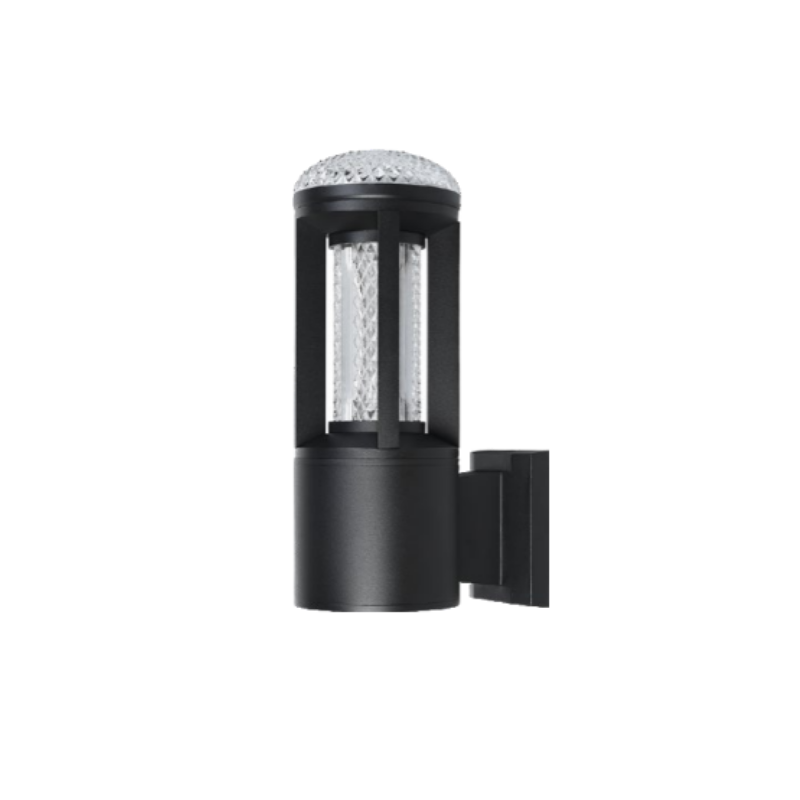
Why extrusion refineries matter to anodization quality
Extrusion refineries control the upstream alloy condition, surface architecture, and dimensional tolerances that make or break anodizing. A lumen‑scale luminaire or a heavy die‑cast housing behaves differently when the alloy contains trace silicon or iron inclusions. By improving billet homogenization and introducing precision mechanical deburring, refineries reduce micro‑defects prior to anodization. The result: a more uniform oxide layer, better corrosion resistance, and fewer field failures. Industry terms to note here include anodization, IP rating, and corrosion resistance — they’re the metrics you’ll see in spec sheets.
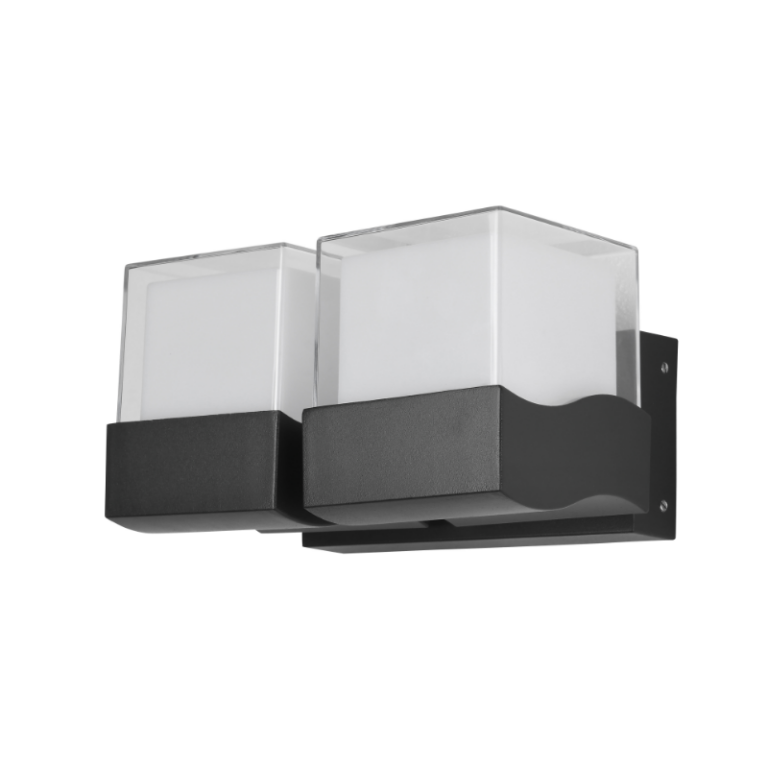
Process improvements that change outcomes
Modern refineries are adding several process levers that together lift finish performance. Key changes include stricter alloy sorting, ultrasonic cleaning before etch, controlled pore widening during anodize, and long‑dwell sealing phases. Some plants now automate current density profiling across anodize racks, ensuring a consistent film thickness across complex cross‑sections — especially important for elongated pier mount extrusions. These refinements cut variability, so a spec calling for a 15–20 µm anodic oxide is reliably achieved, not just promised.
Real‑world anchor: standards and coastal evidence
ASTM B117 salt spray testing remains the canonical accelerated corrosion test for comparing finishes; manufacturers increasingly publish pass durations for anodized samples after standardized testing. Meanwhile, municipal LED retrofits documented by the U.S. Department of Energy and city reports have highlighted how poor surface treatment accelerates fixture failure in marine zones. That combination — a recognized test standard plus municipal experience — is the practical backbone of any procurement decision for wall mount led light solutions in waterfront applications.
Design and specification checklist for practitioners
When you specify pier mount or wall‑mounted LED luminaires, insist on measurable criteria not marketing language. Include:
– Alloy grade and certification (e.g., 6063 vs. 6061), which affects anodizing behavior.
– Target oxide thickness in micrometers and method of verification.
– Sealing process description (hot water, nickel acetate, or organic seal) and post‑seal salt spray hours per ASTM B117.
– IP rating and expected CCT stability under UV exposure.
These items align procurement with production realities and reduce surprises at installation.
Common mistakes teams still make — and quick fixes
Teams routinely assume surface finish is a cosmetic issue. It isn’t. Mistakes include accepting “anodized” without specified thickness, ignoring edge breakout where thin oxide concentrates, and pairing incompatible fasteners that create galvanic paths. A simple remedy: require first‑article anodization samples from the actual extrusion run and subject them to a salt spray spot check. — Also, validate assembly hardware for galvanic compatibility; stainless hardware and proper isolators save refurbishment cycles.
Comparing coating strategies: anodize vs. powder coat vs. dual systems
Anodization offers a hard, wear‑resistant oxide that bonds to the metal, while powder coating gives color and thicker barrier protection but can hide corrosion initiation points. Hybrid approaches — an initial conversion coating followed by a tailored powder topcoat — are gaining traction for pier mount lights where aesthetics and abrasion resistance both matter. Consider lifecycle models: anodize alone often wins for scratch resistance; powder + seal often wins for extended color retention in direct sunlight and for meeting higher IP ratings in jointed housings.
Procurement playbook and manufacturer selection
When qualifying vendors, combine factory audits with data: pore size and oxide thickness measurements, batch traceability, and sealed sample retention. Ask for field references from coastal projects and verify salt spray claims against those references. Beyond paperwork, factor in supply chain resilience — extrusion refineries that control upstream billet sourcing reduce variability and lead time risk.
Advisory: three golden rules for specifying durable pier mount lighting
1) Specify measurable anodize metrics: alloy grade, µm thickness, sealing method, and ASTM B117 hours. 2) Demand validated assembly compatibility: fasteners, gaskets, and paint interfaces must be tested together to avoid galvanic or adhesive failures. 3) Require first‑article field sampling: a small, instrumented installation in the target environment reveals real performance faster than lab claims. These rules turn vague promises into verifiable outcomes.
The practical upshot is straightforward: better upstream control at extrusion refineries reduces finish variability and extends in‑service life for coastal luminaires — and that’s where a reliable partner becomes indispensable. For waterfront projects that must balance IP rating, corrosion resistance, and aesthetics, an integrated supplier that can produce measured anodization results often saves money over the long run. Keyida. —