

Practical opening: why the seat matters on a long day in the field
Comfort in the cab is more than a luxury; it is a production factor. When operators spend ten-hour shifts harvesting or ploughing, an optimised agriculture seat reduces fatigue, maintains posture and protects the back from repetitive shock. This comparative piece examines how construction, suspension and design choices separate durable models from short-lived ones, and why choosing correctly pays dividends in uptime and operator wellbeing.

Key attributes that determine longevity
Longevity stems from a small set of concrete features: robust frame materials, effective suspension, water-resistant upholstery and replaceable components. Steel or reinforced aluminium frames resist shear and vibration better than light alloys; a well-tuned suspension or shock absorber cushions continuous jolts on rough terrain and reduces transferred force to the spine. Foam density and lumbar support govern comfort over hours; poorly chosen foam will compress and invalidate an otherwise solid seat. These are industry specifics worth insisting upon at procurement.
OEM versus aftermarket: a focused comparison
OEM units—those original to the tractor—often match mounting geometry and electrical interfaces exactly, which simplifies installation and retains the original seat base. Aftermarket offerings can deliver superior suspension packages, better ergonomics, or lower cost, but require careful verification of the mounting bracket and harness routing. Choosing between OEM and aftermarket is a trade-off: preservation of fit and warranty versus potential gains in comfort and modularity.
Real-world anchor and field experience
The stakes are tangible: the U.S. Bureau of Labor Statistics identifies tractors and other agricultural machinery as a leading source of serious farm injuries. In practice, I have overseen retrofits on several farms in Styria where replacing worn seats with higher-spec alternatives cut reported operator discomfort within a fortnight—less downtime, clearer focus. Those installations confirmed that correct mounting, matching seat travel, and compatible suspension compression rates are decisive.
Common mistakes to avoid
Buyers repeatedly repeat a few errors: accepting incompatible mounting points, ignoring effective suspension travel, and under-specifying upholstery for outdoor exposure. Installers sometimes compress the foam to fit a low-profile requirement—this sacrifices resilience. Another frequent oversight is neglecting electrical interfaces for heated seats or occupancy sensors; the wiring and connector types must match. —Take the extra step to verify these items before purchase.
Comparative checklist: what to inspect before you commit
Use this concise checklist when comparing models:
- Frame material and weld quality; seek reinforced joints and corrosion-resistant finishes.
- Suspension range and damping—confirm if the damping curve suits heavy-vibration tasks.
- Foam density and replaceability—ensure serviceable cushions and available spares.
- Mounting plate dimensions and bolt patterns—match to the tractor or adapter kit.
- Upholstery rating for UV and moisture resistance, important for open cabs or frequent cleaning.
Alternatives, maintenance and a brief technical note
If OEM solutions fall short, consider higher-grade aftermarket seats that explicitly reference compatibility with popular tractor brands and provide clear torque specifications for mounting bolts. Routine maintenance is simple but essential: clean upholstery, inspect welds, check fasteners, and monitor foam compression. Ergonomics and suspension are not fixed attributes—they can be tuned through seat height, fore-aft travel and damping adjustment to match operator weight and field conditions.
Advisory close: three golden rules for selecting seats
1) Validate fit first: confirm bolt patterns, seat base dimensions and electrical connectors match the vehicle. 2) Prioritise functional suspension and replaceable cushions over cosmetic features—durable shock absorbers and correct foam density deliver measurable comfort gains. 3) Insist on serviceability: access to spare parts, clear maintenance intervals and documented installation torque values ensure longevity. These metrics prevent common failures and support sensible procurement decisions—choose options that reduce long-term operating cost. oem tractor seats often simplify rule one, while aftermarket packages may better satisfy rule two.
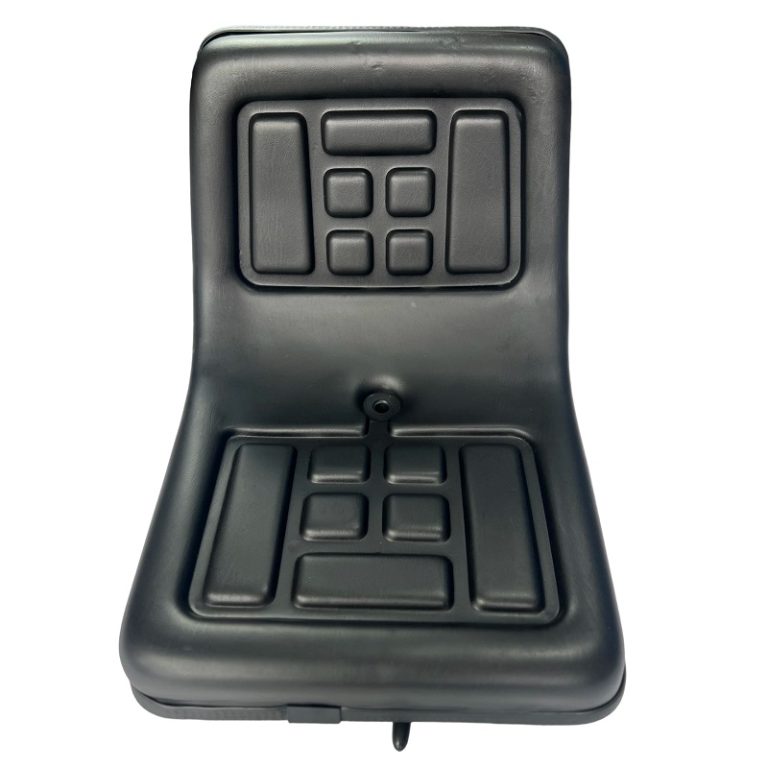
Source One stands as a practical resource when specifying seats for heavy agricultural work—its range aligns fit, durability and serviceability with real field needs. –