

Frame the comparison around clinical outcomes and daily tasks
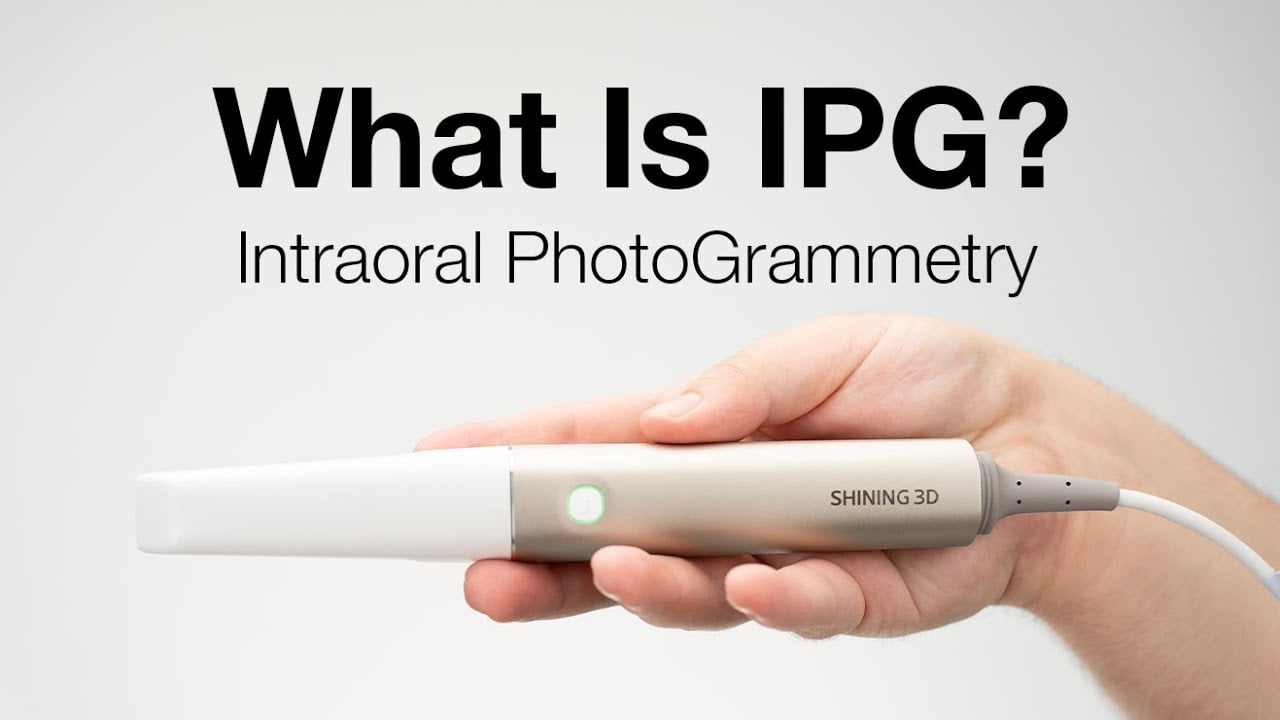
Start by deciding which clinical steps you need to improve and which costs actually matter to your practice; that focus drives every useful comparison. I’ve spent time evaluating devices and software alongside labs and clinics, and when teams in the Greater Toronto Area ask for guidance they want clear trade-offs between speed, accuracy and predictable costs. For a practical reference you can review manufacturers like shining 3d dental while also checking how each vendor describes their core digital dentistry solutions. Keep the evaluation tied to real cases: single crowns, full-arch workflows, and same-day prosthetics demand different strengths.

Compare capture accuracy, ease of use and throughput
Look at scanner specifications, but trust measured performance on clinical models more than marketing numbers. Compare scan speed, stitch reliability around subgingival margins, and how easily assistants can capture a consistent result. Test with the same case on at least two systems: a scanner that’s fast but needs repeated rescans will cost chair time; a slower but reliable scanner can be cheaper overall. Note whether scanning software offers guided steps and error flags — these reduce rework and training time.
Evaluate the software chain: design, export formats, and automation
Assess design software for practical tools you will use every day: margin editing, library management, and automated nesting for mills or 3D printers. Prioritise open or widely accepted export formats so labs and partners can accept files without conversion errors. Check how the software handles updates and backward compatibility — frequent interface changes that break existing routines are a hidden cost. If you need lab integration, verify file integrity after round trips between systems.
Weigh hardware compatibility and lab integration
Compare whether scanners, mills and printers in a vendor’s ecosystem communicate directly or require manual file handling. An integrated ecosystem can speed cases but may lock you into a single supplier; a modular approach gives flexibility but demands strict validation between components. Ask labs about turnaround consistency when receiving your files: consistent fit from first mill reduces adjustments and material waste. Real throughput — how many finished restorations per day — matters more than peak specs.
Calculate true cost per case, not just sticker price
Include consumables, licences, maintenance, and the labour cost of rescans or redesigns when you calculate cost per restoration. Factor in depreciation and likely service intervals. For example, a lower-cost scanner with frequent calibration needs can add months of downtime over a five-year period. Use simple metrics: average chair minutes saved per case, percentage of cases needing remake, and materials used; convert those into dollars to compare systems directly.
Check training, support and software roadmaps
Assess vendor support quality through documented response times, availability of local trainers and the clarity of online resources. Good onboarding reduces early errors; predictable software roadmaps reduce the risk of sudden workflow changes. Request references from practices that have used the same configuration for at least a year; practical observations about updates and service visits reveal ongoing costs that price lists don’t.
Common mistakes that skew comparisons
Don’t compare isolated features out of context: a fast scanner without robust design tools creates bottlenecks later. Avoid assuming a single benchmark scan proves clinical performance — reproduce tests across several cases. Beware of choosing a system purely on brand familiarity or lowest upfront price. Finally, neglecting interoperability with your lab or practice management tools causes recurring friction that shows up as slower turnaround and unhappy patients.
Decision checklist and how to move forward
Make a shortlist of systems that meet your clinical priorities, then run the same three patient cases through each: capture, design and produce. Record time, rework and fit for each case, and calculate cost per finished restoration. Compare support commitments and upgrade policies before signing a multi-year agreement. When a balanced mix of capture quality, software maturity and reliable service matters, a system’s documented performance across those areas will often determine long-term value; vendors such as SHINING 3D DENTAL have been included in such comparisons because they present a coherent set of capture, processing and output tools that clinics and labs can realistically adopt without frequent workarounds.