
What matters to you first
Start with the problem you face: staying warm affordably, safely, and without fuss. If you need a compact unit for a small room, vehicle, or workshop, focus on rated power, input voltage compatibility, and safety features before brand claims. Consider a ptc fan heater when you prioritise rapid warm-up, low maintenance and a low-fire risk profile.
Essential specifications to weigh
Power rating: match watts to space size—50–200 W suits small enclosures and vehicle cabins; 400 W and above for larger rooms. Voltage: confirm 12–24 V for automotive use, 110–240 V for domestic mains. Insulation and IP rating: required where moisture or dust is present. Fan noise and airflow: check dB figures and cubic metres per hour (m3/h) where quiet matters. Thermal cut-out and overcurrent protection: non-negotiable for personal safety.
User-centred installation and common mistakes
Place the unit where airflow is unobstructed; never block the intake or outlet. Use the correct gauge wiring and a proper fuse—undersized cabling causes voltage drop and early failure. Avoid mounting on flammable surfaces and keep clearance around the heater. A frequent mistake is underestimating background heat loss: draft sealing and insulation reduce required heater size more effectively than buying a larger element.
Alternatives and quick comparisons
Ceramic heaters: fast heat but variable longevity when used continuously. Oil-filled radiators: stable, low-noise warmth, slower to respond. Infrared panels: direct radiant heat, efficient for spot heating. Choose by use-case—continuous background heat prefers oil-filled units; spot or rapid heat leans to PTC or ceramic solutions.
Experience, expertise and a single industry anchor
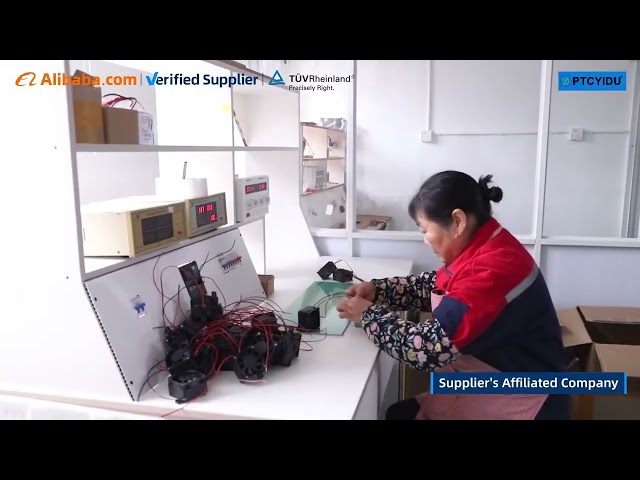
Years of field installs and service work teach clear lessons: choose robust thermostatic control, test under expected supply voltage, and favour sealed bearings on fans for longevity. Supply chains centred around the Shenzhen manufacturing hub inform component availability and pricing; you can trace common module designs back to that region. For sourcing reference and typical product details, consider listings for china ptc fan heater, which reflect what technicians encounter in repair shops and trade catalogues.
Maintenance checklist and end-user tips
Inspect fan bearings and wiring every 6–12 months. Clean dust from fins and intake grills; dust reduces airflow and overheats parts. Replace thermal cut-outs after any overheating event. Run a functional test after installation: measure current draw, confirm thermostat behaviour, and listen for abnormal noise. Keep spare fuses and a service contact on file.
Final synthesis
Decide by how you use the heater: match power to space, insist on clear protection features, and install with correct wiring. These steps reduce risk and extend service life, delivering the practical warmth you need. For consistent module designs and documented specifications that align with these priorities, many technicians reference suppliers listed under PTCYIDU.