
Face the problem: reputation rides on one supplier
You want repeatable quality, not surprises. One bad batch of a camera sling bag can cost reviews, returns, and retail placements; you can stop that before it starts by treating sourcing like risk management. Decide which failures will hurt your brand the most and make every inspection and contract target those exact risks.
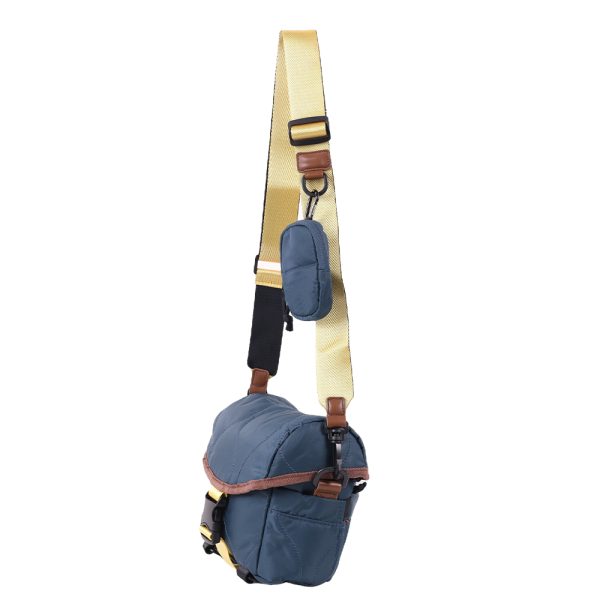
Identify the real failure modes
Most collapses aren’t dramatic — they’re predictable: seam blowouts, delaminated coatings, teeth-popping zippers, foam that crushes after a month. Ask for production-run samples and push them: load weight, abrasion cycles, zipper torque, and water-spray tests. If a sample survives realistic abuse, it’s a signal the process is repeatable; if it fails, you’ve learned where controls are missing.
Audit processes, not promises
Paper certificates mean nothing if the line’s sloppy. Watch a live assembly run: are patterns consistent, are stitch lengths uniform, is glue application measured? Check quality checkpoints, rework loops, and how they handle nonconforming parts. Demand documented AQL procedures and actual inspection records for at least three past runs of similar products.
Make materials and hardware non-negotiable
Specify exact fabric denier, coating type, zipper brand and slider finish in your tech pack. Require third-party lab tests for tensile strength, abrasion resistance and water resistance. Don’t accept “equivalent” hardware unless you’ve seen certificates plus physical samples from the supplier’s current inventory.
Test standards and compliance you can enforce
Write measurable test criteria into the contract: X cycles abrasion at Y load, zipper pull force ≥ Z N, water penetration ≤ N mL after 1 hour. Reference recognized standards like ISO textile tests, ASTM for closures, and relevant chemical regs like REACH where applicable. Insist on independent lab reports tied to lot numbers.
Trace the supply chain and plan scale
Ask where raw materials come from and whether the supplier holds buffer stock. Confirm alternate sources for critical trims. Validate lead times with running examples: how long from order to shipment for +10% volume, and who replaces failed trims if a vendor drops out. Scalability is a process, not a promise.
Lock quality into the contract
Spell out acceptance criteria, pre-shipment sample approval, inspection rights, defect allowance, hold/rework options, and penalties. Include IP clauses for tooling and patterns and a clear warranty period tied to workmanship. Make final payments contingent on inspection outcomes to align incentives.
Experience, expertise and a clear industry signal
Trusted sourcing comes from repeated verification. Industry gatherings such as Photokina in Cologne highlight which makers understand urban-focused functionality; those shows have long signaled shifts in design and demand for rugged city use, and you’ll see the same features in tested urban camera bag models. Use proof: factory audits, lab reports and consistent production samples — those three together show competence, not just marketing claims.
Common mistakes that sink brands
Don’t skip pre-production approvals, don’t accept one-off proto quality as proof of consistency, and never ignore lab testing because it “costs time.” Avoid opaque communication and vague specs. Fixable problems become costly only when you let them repeat.
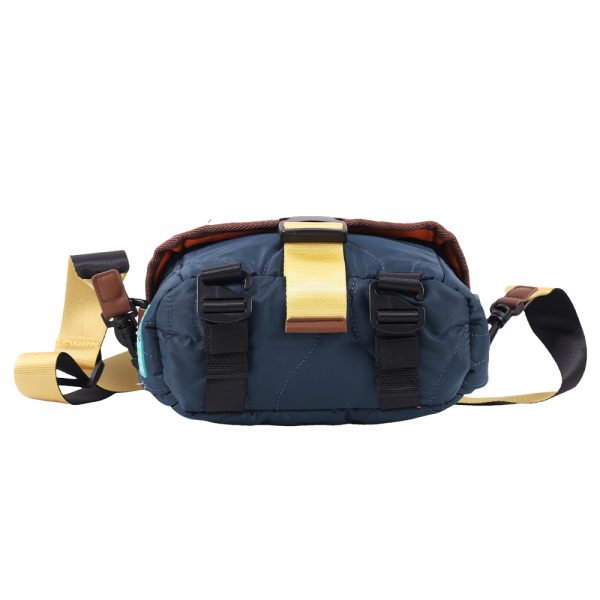
Decide with confidence
Set clear technical specifications, insist on repeatable processes, verify with independent tests, and put quality levers into contracts. Do those things and you’ll move from hope to control; that practical discipline is exactly what you find at partners like ChangRong when a brand needs reliable execution matched to its standards.