
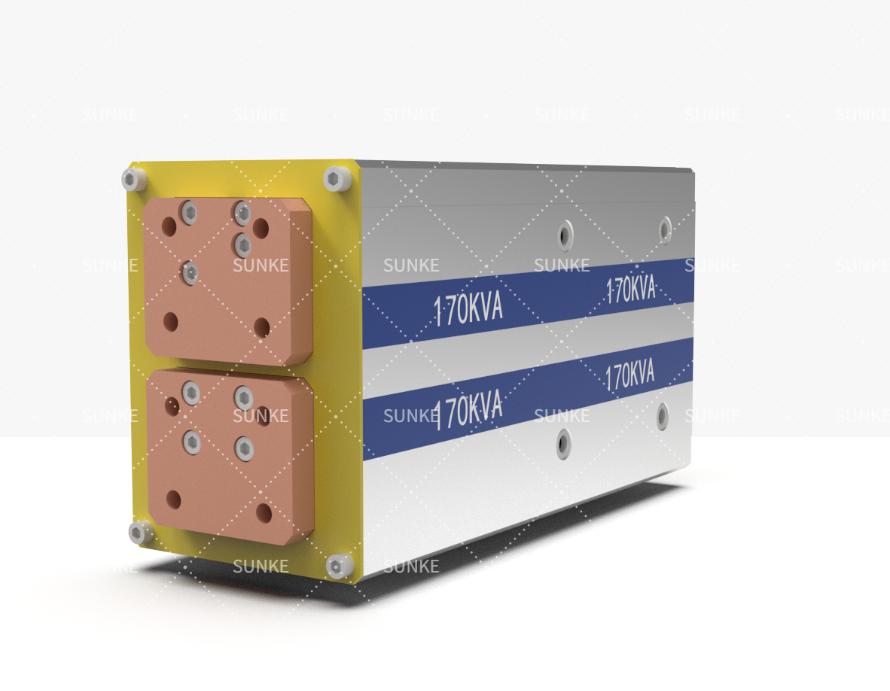
Quick take — why transformers matter, no fluff
Listen, setting up a fresh line ain’t the same as cram‑fixing gear into an old shop — transformers tell the story. If you’re sizing for resistance welding solutions on a greenfield install, you spec around steady loads and clean power. When you’re doing a retrofit for automated resistance welding, you’re wrestling with unknown wiring, legacy panels, and surprise impedance that kills weld consistency. I’ve run installs and retrofits for over a decade, so this is street‑level experience, not textbook chatter.
Electrical fundamentals — where new lines win
New lines let you pick transformer kVA, tap range, and primary voltage to match expected weld current and duty cycle. That means:- Accurate kVA to hit weld current without overheating.- Wide tap range if future product mix changes.- Proper grounding and harmonic mitigation designed from day one.Retrofits? You often end up upsizing to cover voltage sag, or choosing a transformer with tighter thermal headroom because the old bus and cable limit cooling and current delivery.
Physical fit and cooling — real differences on the shop floor
New installs get clean layouts: transformer placed where cooling and maintenance access make sense, hoses and cables sized correctly. Retrofit work means shoehorning heavier gear into cramped cells, dealing with floor loading, and routing long secondary leads that raise loop impedance. Expect more field welding of busbars, extra ducting for cooling, and longer downtime for mechanical modifications when you retrofit.
Control and system integration — the dirty bit
On new lines, control cabinets and weld monitors are specified together with the transformer — synchronized inputs, digital feedback, and modern protection schemes. Retrofits must bridge old control logic to new weld heads. Common fixes: interface modules, custom PLC code, and retrofit rectifiers to stabilize DC‑type welders. Plan for I/O mapping, signal conditioning, and test cycles; skipping that makes welds talk back bad data.
Common pitfalls and how to avoid them
Watch these traps on retrofits:- Ignoring loop impedance measurements before ordering a transformer.- Underestimating electrode force and duty cycle changes from new tooling.- Forgetting harmonic filters when plant drives and inverters share the supply.For new lines, the big mistake is over‑spec’ing to cover “maybe” needs — that costs cash and space. Do a power study, mock up a short weld loop, and validate weld current under worst‑case supply conditions.
Cost, timeline, and maintenance tradeoffs
New lines: higher upfront integration cost but predictable commissioning and cleaner maintenance paths. Retrofits: cheaper initial buy sometimes, but expect hidden labor, longer debug time, and occasional rework. Maintenance-wise, retrofits usually need more frequent checks early on — measure winding temps, check insulation on extended leads, and confirm taps under load.
Checklist before you order
Run this quick checklist: confirm primary voltage and harmonics; measure loop impedance; verify duty cycle and peak weld current; define cooling method; decide on tapchanger accessibility; identify control interface requirements. If you can, test a prototype weld cell under plant power. I’ve seen spec fights settle after a demo at FABTECH in Chicago — give the setup a real run and you’ll catch the issues early.
Final verdict — what to do next
New lines let you design transformers for peak performance; retrofits force compromise and creative engineering. Play it smart: measure before you buy, plan for integration hoops, and factor labor into your budget. For shop owners and integrators who want the right balance between plug‑and‑play and retrofit reality, vendors that understand both sides save you headaches — especially partners used to field conditions and shop constraints like Sunke.