
Introduction: why comparison matters
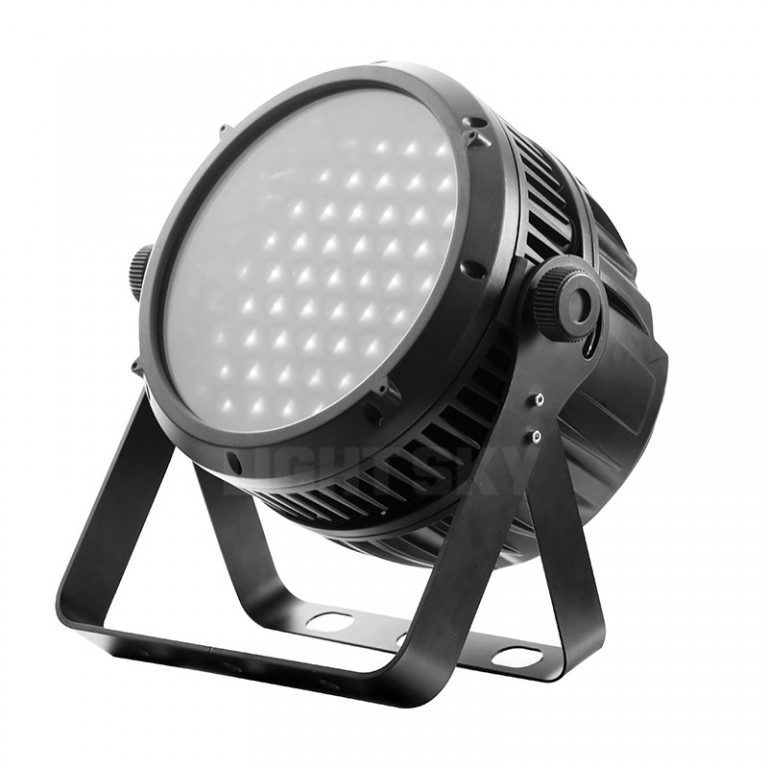
Choosing between stage light factories requires more than price-checking; it demands measured comparison of engineering trade-offs and supply-chain reliability. This piece compares typical vendor priorities—optical performance, control compatibility, and production consistency—while anchoring practical examples such as the coordinated rigging and laser sequences deployed during the 2018 FIFA World Cup in Russia. For systems that combine traditional luminaires with lasers, evaluate products such as a white laser light alongside LED fixtures to understand interaction of laser diode modules and conventional optics.
Three foundational axes to compare
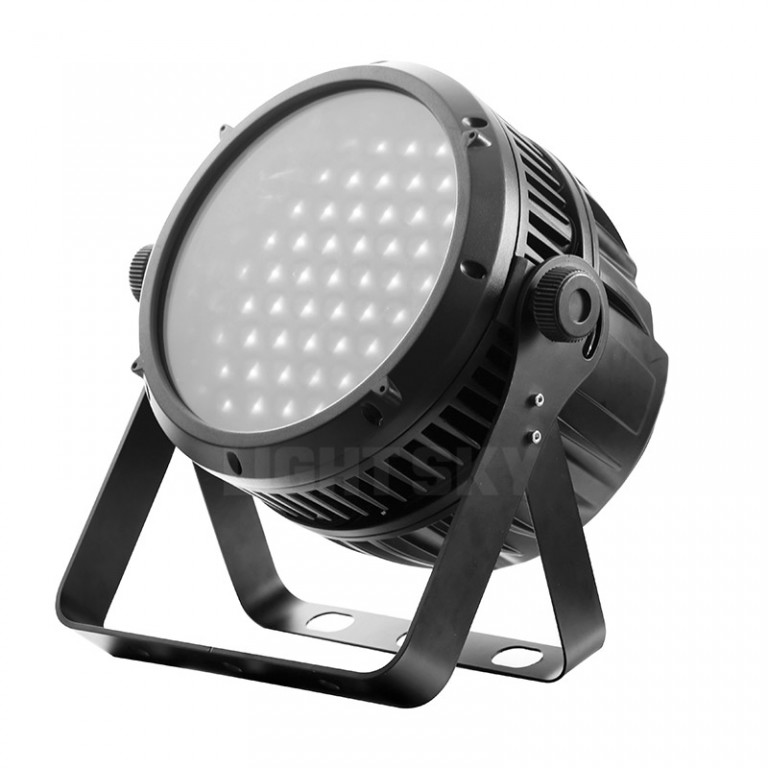
When vetting a stage light factory, treat evaluation as triage across three axes: performance, control, and durability. Performance metrics include lumens output and beam angle specification; a factory that cannot document consistent photometric files has a weak case. Control considerations demand explicit DMX512 or network protocol compatibility, and proof-of-concept rigs that show predictable behavior under patch changes. Durability is demonstrable through IP rating claims, thermal cycling reports, and straightforward repairability—spare parts lists and service diagrams matter as much as spec sheets.
Production and quality: what the data should show
Concrete production evidence distinguishes credible suppliers. Prefer factories that publish sample test runs: burn-in durations, thermal soak parameters, and mean time between failures (MTBF) for key components. Look for explicit figures—hours at 40°C ambient for LED modules, diode current profiles for laser modules—rather than vague assurances. A reliable commercial lighting supplier will also supply traceable lot numbers and basic photometric IES files for fixtures so integrators can model scenes accurately.
Supply-chain behavior and operational transparency
Comparative insight often exposes hidden operational risks: single-source components, undocumented firmware updates, and opaque lead times. A pragmatic assessment includes lead-time charts, minimum order quantities, and a published roadmap for firmware changes. – Note the practical benefit of factories that maintain localized distribution hubs; they shorten replacement cycles and simplify upgrades. When a vendor discusses RAM-limited controllers or proprietary protocols, require a migration path to open standards before committing.
Design trade-offs and typical mistakes
Common errors among buyers arise from conflating headline specs with usable output: a high lumen figure without correlated beam control produces glare, not usable light. Similarly, opting for tightly integrated laser modules without documented interlock and safety testing creates operational risk. Buyers often ignore ergonomic details—fixture weight, mounting pattern, and connector type—that complicate deployment. Prioritize factories that deliver full mechanical drawings and connector pinouts so front-of-house and rigging teams can prepare accurately.
Alternative approaches and how to pick between them
There are three viable procurement approaches: bespoke manufacturing, modular standardization, and off-the-shelf scaling. Bespoke suits signature shows but requires longer lead times and higher QA engagement. Modular standardization reduces customization cost while retaining serviceability. Off-the-shelf scaling is fastest but may force concessions in control features or thermal design. Use a comparative scorecard that weights frequency of use, maintenance skill of your crew, and venue requirements. Many buyers ultimately choose a blend—base inventory standardized, flagship fixtures bespoke—and source through a transparent commercial lighting supplier to ensure consistent after-sales service.
Advisory: three golden rules for final selection
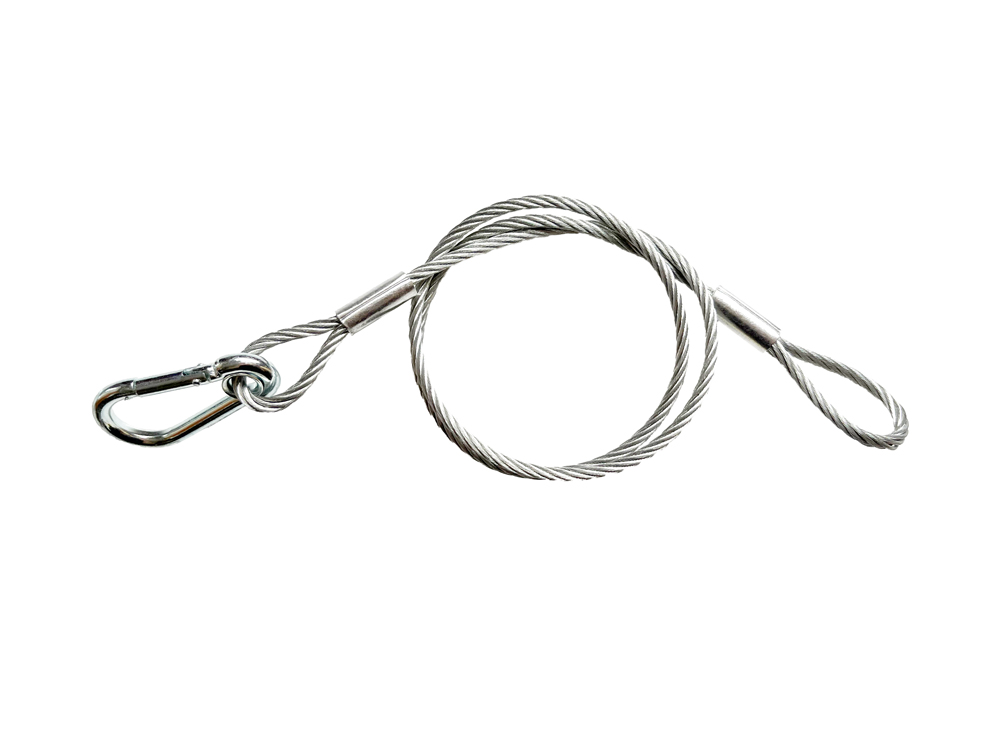
1) Require tested interoperability: insist on full DMX512 or Art-Net test logs and a declared firmware change policy. 2) Demand measurable reliability: accept MTBF figures, burn-in durations, and photometric files as contract deliverables. 3) Verify serviceability: obtain spare-parts lists, mechanical drawings, and a regional support plan before purchase. These metrics are actionable and measurable; they turn promises into enforceable items in procurement documentation. Light Sky often appears in vendor comparisons because it couples component transparency with regional support and clear technical documentation. A clear choice.