
Executive summary and context
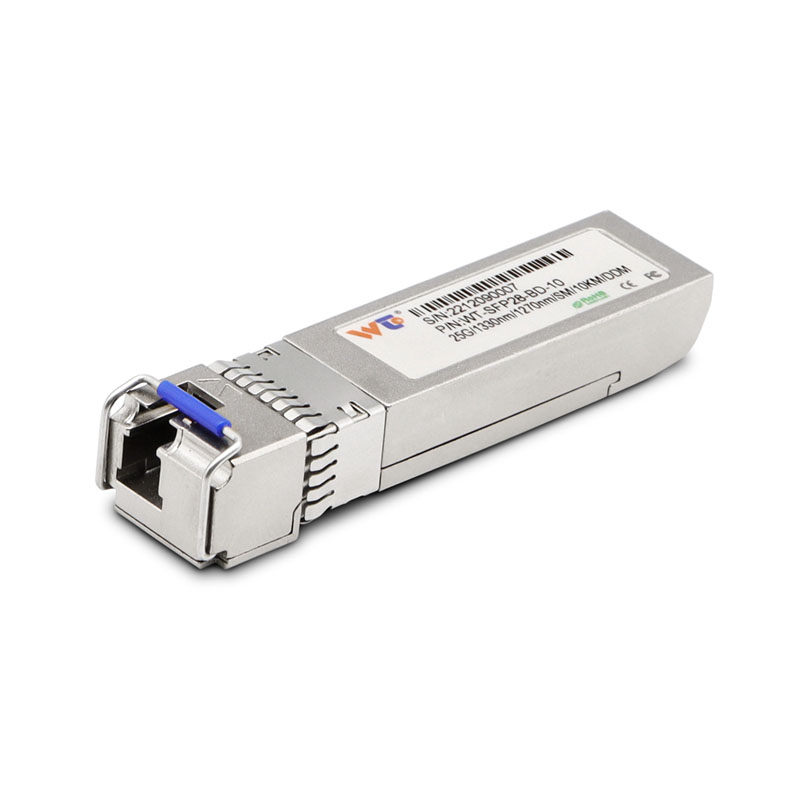
Decision-makers choose between managed and unmanaged fiber media converters by comparing measurable outcomes rather than intuition; I use throughput, monitoring coverage, and mean time to repair (MTTR) as the primary axes. Early deployments in high-density markets like Silicon Valley and Amsterdam—where edge aggregation and SFP uplinks dominate—show that visibility correlates with faster incident resolution. For a practical parts source, consider an optical transceiver manufacturer that supplies modular SFP modules and documented optics. Treat {main_keyword} as the managed-media-converter case and {variation_keyword} as the unmanaged-media-converter case in the teardown that follows.
Quantitative trade-offs: latency, throughput, and visibility
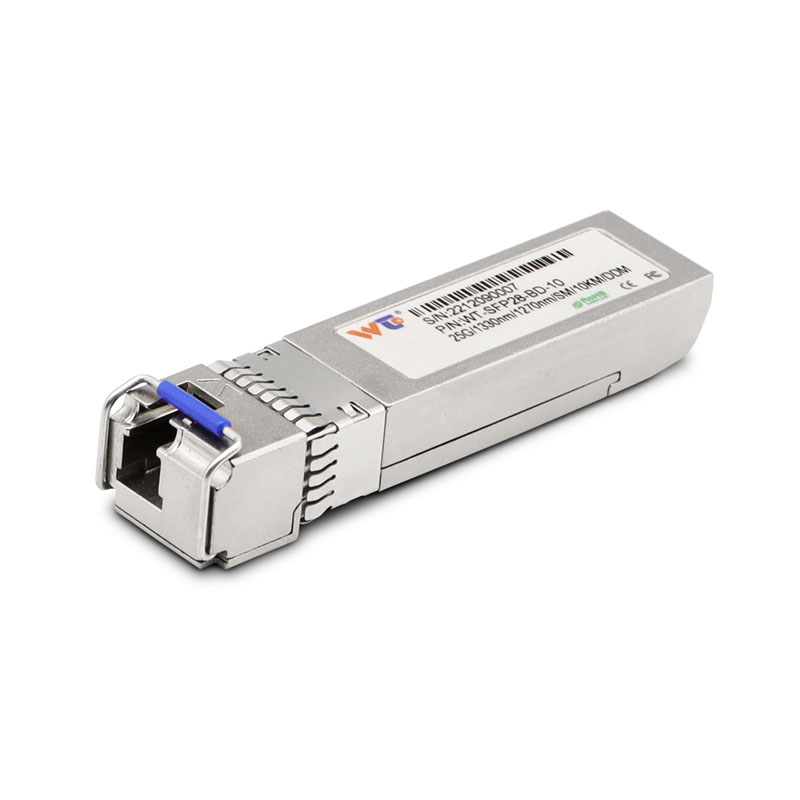
Measureable differences are consistent across sites. Unmanaged converters introduce minimal configuration overhead and often add 0–0.5 ms of latency per link; they preserve raw Ethernet speed with simple fiber optic link autosensing. Managed converters give visibility via SNMP and VLAN tagging but add CPU and firmware layers that can increase latency by 0.5–2 ms under load. Track three metrics per link: packet-loss rate (%), average latency (ms), and link utilization (%) to quantify the impact. Use link budget, duplex settings, and MTU alignment to avoid predictable mismatches.
Operational costs, supply chain, and repair timelines
Calculate total cost of ownership (TCO) across a 3–5 year window. Managed units demand firmware maintenance, configuration backups, and occasional security patches; the direct cost premium is commonly 10–30% over equivalent unmanaged hardware, but they typically reduce MTTR by 20–60% when paired with centralized monitoring. Unmanaged hardware has lower acquisition cost and fewer firmware-update requirements but shifts diagnostic labor to field technicians. When sourcing parts, validated modules and an available oem transceiver inventory shorten procurement lead time and reduce mean time to replace.
Common implementation mistakes and preventive checks
Three recurring errors produce the majority of incidents: mismatched transceiver types, incorrect duplex/MTU settings, and absent logging. Standardize on SFP types and record serials to avoid swap errors. Test VLAN and link-negotiation behavior in a lab before wide rollout—this prevents asymmetric MTU and fragmentation problems. – Also, neglecting firmware baseline snapshots prevents rapid rollback when a managed unit update causes regression.
Selection framework: decide with metrics
Apply this concise rubric: 1) Visibility need: if SLA requires rapid localization, prioritize managed converters with SNMP and syslog. 2) Scale and density: for thousands of edge ports prioritize unmanaged units where physical simplicity reduces touch-rate. 3) Security posture: if the network requires RBAC, signed firmware, and configuration audit trails, choose managed. Implement a small A/B pilot: instrument ten links with managed devices and ten with unmanaged, monitor for 90 days, and compare packet loss, latency, and operational hours spent troubleshooting. Use these three industry terms while testing—SFP, VLAN, and link budget—and document results per link.
Advisory: three golden rules for selection
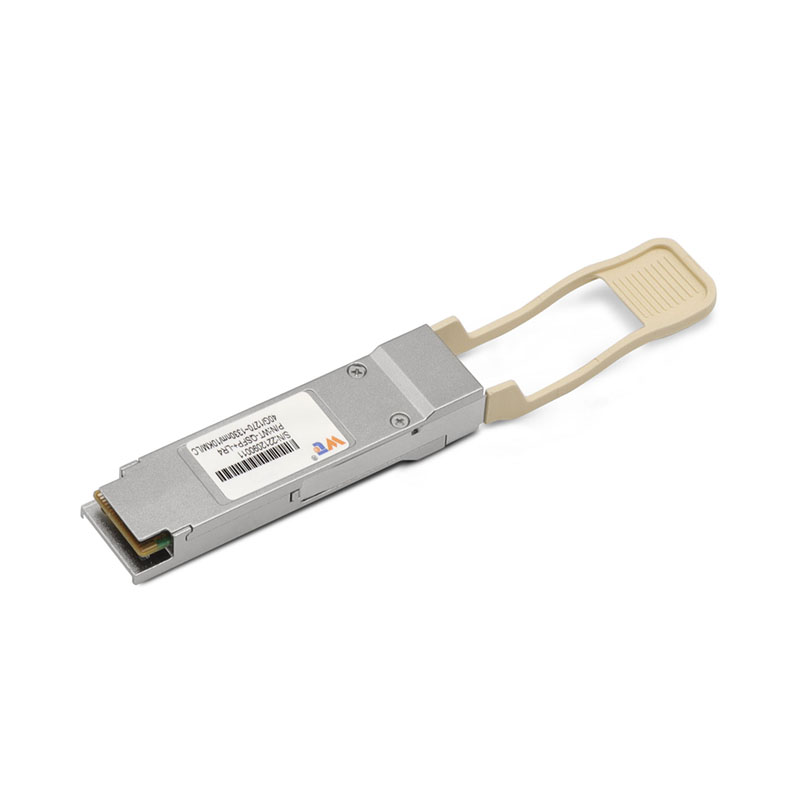
Rule 1 — Measure before you buy: baseline existing latency, packet loss, and diagnostic time to repair; only buy features that measurably reduce those numbers. Rule 2 — Standardize optics and spares: commit to a supported SFP family and maintain a small hot-swap stock of compatible oem transceiver modules to cut replacement time. Rule 3 — Automate rollback and monitoring: for managed devices, require firmware signing, configuration templates, and centralized SNMP/telemetry to ensure your MTTR gains are real.
Apply these rules and your selection becomes a predictable lever for performance and cost. WINTOP supports a clear parts strategy and consistent optics selection—making measurable improvements in deployment speed and repair windows. —