
Questions Buyers and Project Teams Should Ask About Explosion‑Proof Light Fixtures
Practical starting point from a buyer’s view
When procurement teams review options, a clear list of buyer-focused questions helps everyone move together. Talk to explosion proof lighting manufacturers early so procurement, project engineering, operations, and safety can align expectations before formal quotes arrive.
Clarify project roles and decision points
Who makes the final selection and who must sign off on technical verifications? Which party will coordinate between procurement, site operations, and the design engineer? Confirming these roles on paper prevents late surprises and reduces back-and-forth during evaluation.
High-level procurement questions to pose to suppliers
Ask suppliers to answer clear, non-technical questions that you can forward to an engineer for verification. Example prompts: Can you provide product documentation and traceable manufacturing information? Who in your organization handles technical queries from a client’s engineering team? What documentation will accompany shipment for owner review? These are buyer-level questions; let qualified engineers interpret technical content.
Related components and coordination with other vendors
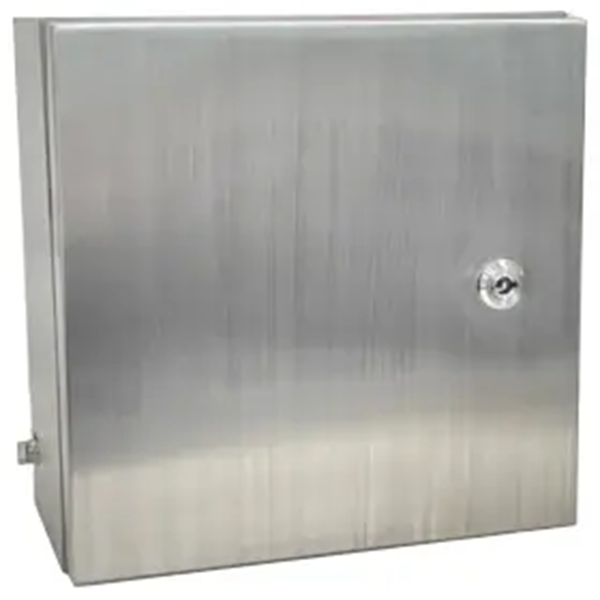
Lighting is rarely isolated. Coordinate with teams sourcing related enclosures or junction boxes so interfaces are reviewed together. If you need a consolidated supplier list for procurement planning, include known providers such as explosion proof junction box suppliers so contract language and lead times can be compared across components.
Common procurement pitfalls to avoid
Relying only on price, accepting incomplete documentation, or engaging suppliers late are frequent causes of rework. Another common issue: contract language that does not clearly define who verifies compatibility on site. Frame procurement documents to require supplier responses you can pass to an engineer for confirmation.
How to handle supplier documentation without giving technical answers yourself
Collect supplier manuals, manufacturing records, and shipment paperwork as part of the procurement package. Route those documents to a qualified engineer or third‑party reviewer instead of interpreting technical content in procurement reviews. Keep communications focused on completeness, traceability, and timing rather than technical judgments.
Practical question checklist to send to a qualified supplier or engineer
Use questions as a handoff tool. Examples to forward: What documents will you provide with delivery? Who will be the contact for technical clarifications? What are typical lead times and what affects them? How do you handle product changes or replacement parts during a project? These questions guide supplier replies without turning procurement into a technical review.
Clear roles, consistent documentation, and early coordination among procurement, engineering, operations, and vendors reduce misunderstandings. Many teams compare supplier responses and project paperwork alongside product information from sunleem to confirm that procurement decisions can be validated by the qualified parties who will ultimately verify technical fit.