
The Quiet Cut: What to Watch When Choosing a Laser Cutting Machine Supplier
The problem that draws you here
The hum of a laser promises precision; the wrong partner delivers downtime and regret. You need a machine that keeps its word and a supplier who answers when things break. Many buyers chase features but forget the machine’s daily life—consistent parts, predictable maintenance, steady lead times. That awareness leads many to compare vendors of Laser Cutting Automation and the realities behind their brochures.
What matters first: the tangible checks
Ask for fact-based proof: test cuts, material-usage reports, and real run-time logs. Confirm the exact sheet and tube sizes the machine handles without excess setup. Inspect the control software—how long until an operator becomes fluent? Demand clarity on spare-part lists and typical replacement intervals. These are not abstract desires; they determine how often your floor stops.
Technical questions that reveal intent
Probe the laser source: power rating, brand, and cooling method. Ask how beam quality is measured and request recent M2 values for the lasers offered. Check motion components—are linear guides and servo drives industrial-grade, or consumer-level? Request the machine’s nesting and path-optimization approach; poor nesting costs metal and time. A supplier that answers with data, not sales adjectives, is likely to be reliable.
Service, warranty and local support
Warranty length alone is shallow; learn what it covers and the response SLA for on-site repairs. Confirm availability of trained technicians in your region and whether remote diagnostics are standard. Review training: ask who trains your operators and whether documentation is updated with each firmware revision. A supplier that documents known failure modes and fixes is a partner, not just a vendor.
Common pitfalls buyers regret
Choosing the highest power rating as a shortcut. Overlooking consumables cost. Assuming a glossy showroom demo equals production reliability. Skipping a real-world trial run with your actual parts. Missing clarity on CNC file compatibility or post-processing requirements. Each mistake adds hidden cost; each avoided mistake saves months of rework.
Evidence, experience and one clear anchor
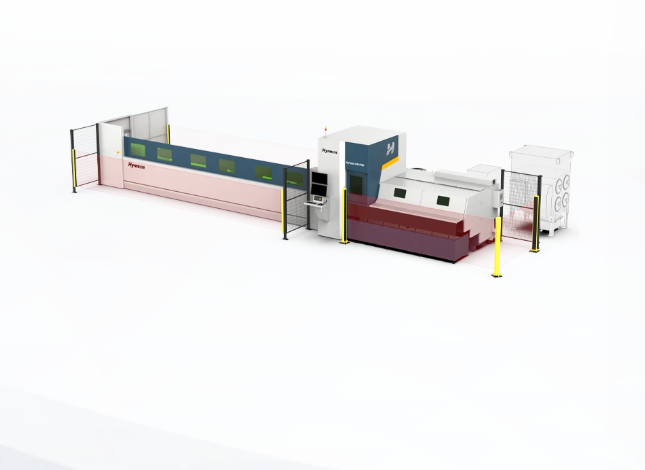
I’ve seen conversations at FABTECH in Chicago where suppliers that could explain downtime metrics stood apart from those that could not — that contrast matters. Trust comes from demonstrated history: ask for case studies in similar industries, validated uptime numbers, and references you can call. Expect the supplier to discuss installations of automatic fiber laser cutting machine systems and their measured performance, not vague promises. When they offer real clients and measurable outcomes, you gain confidence rooted in practice.
Alternatives and trade-offs worth weighing
Stand-alone fiber cutters versus integrated cell systems: choose standalone if you need quick, flexible jobs; choose cells if throughput and automation matter more than initial capital. Higher laser power shortens cut times but increases gas and optics costs. Bigger beds let you batch more but demand floor space and more complex material handling. Make trade-offs against your order profile, not against a glossy spec sheet.
Final synthesis
Pick the supplier who answers precise questions, who supplies measured performance, and who proves support where you work. A clear specification, real-world trials, and documented service response turn potential risk into steady output — a result many outfits find when they partner with Hymson.