
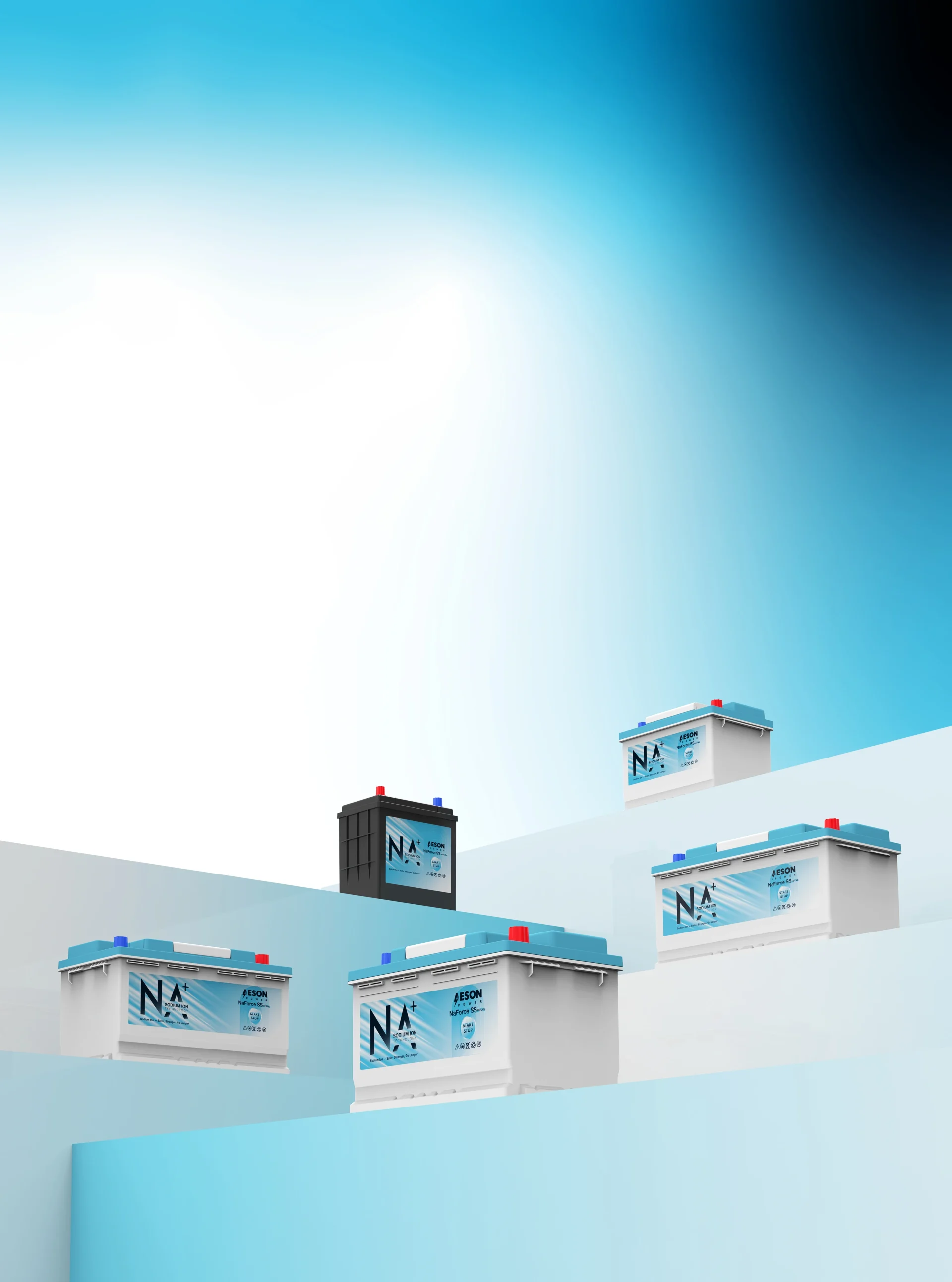
Building a Clear Request for Quotation for Sodium Ion Battery Technology: A Project-First Review
Maintenance planners approaching sodium ion battery technology should begin with the operating decision, not with a supplier’s broadest feature list. An RFQ becomes more useful when it describes the equipment, duty pattern, environment, interfaces, and evidence required for a decision. This project-first method helps separate requirements that can be compared now from questions that still need a supplier response.
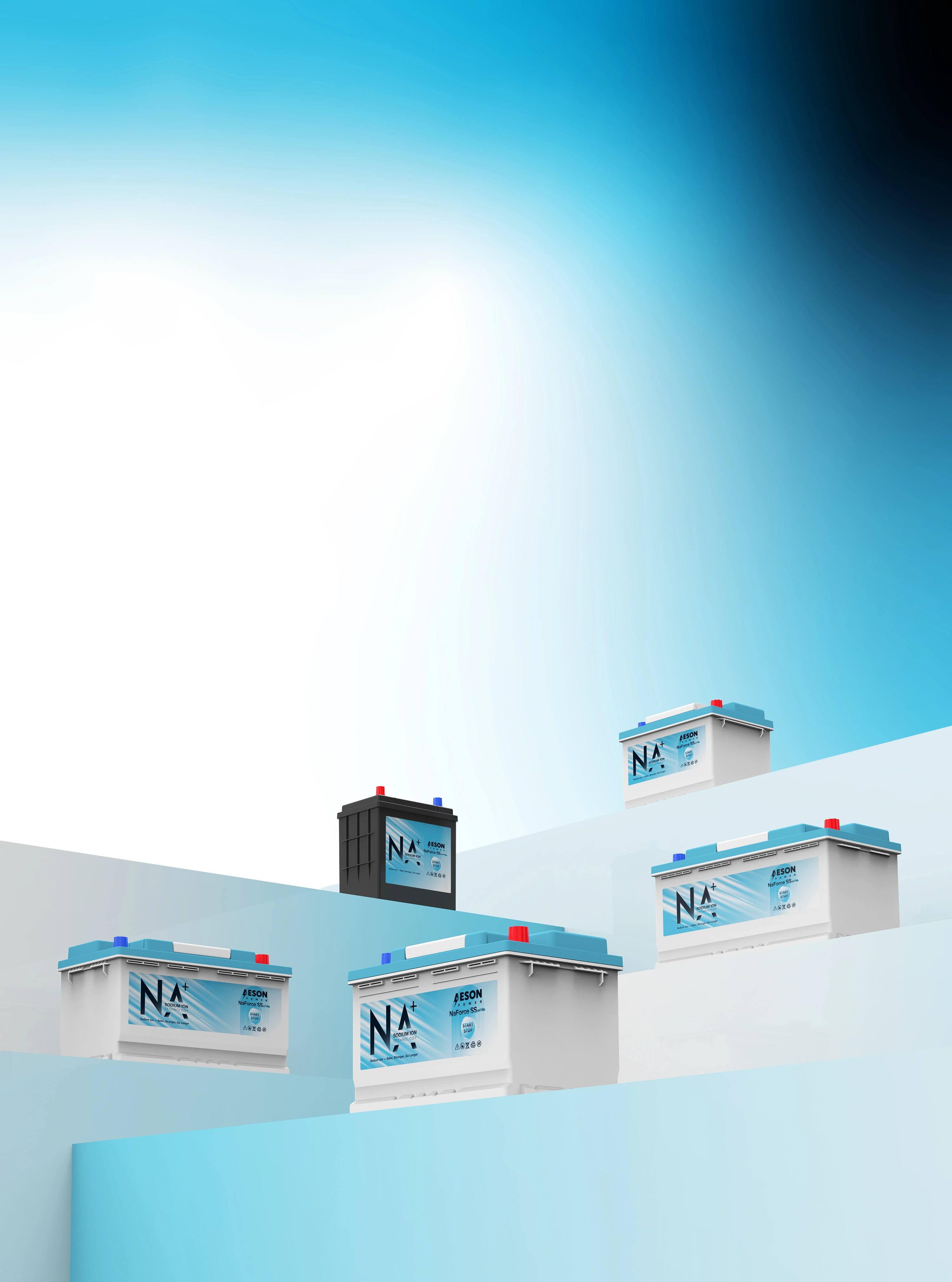
Define the use case and constraints
Start by writing a short application description that another reviewer could understand without attending the original planning meeting. Identify whether the battery is being considered for a UPS, diesel generator set, energy-storage system, marine application, low-speed electric vehicle, or another use case. The official technology page lists those application areas, but an application list is not a confirmation that every product, configuration, or installation is suitable for every duty.
Next, describe the work the battery must perform. Useful RFQ inputs can include the required starting or backup function, expected discharge pattern, recharge opportunity, ambient temperature range, installation space, connection arrangement, monitoring interface, maintenance access, and replacement constraints. These are project requirements to be set by the buyer; they are not claims about a particular supplier or product.
Separate requirements into three groups:
- Required: conditions that must be met for the project to proceed, such as an interface, physical arrangement, or defined operating range.
- Preferred: characteristics that could improve the fit but are not automatic reasons to reject an option.
- To be confirmed: points where the RFQ needs a precise supplier answer, supporting document, or product-specific explanation.
This structure prevents attractive general language from replacing the actual decision criteria. It also gives maintenance, engineering, purchasing, and operations teams a shared vocabulary before quotations arrive.
Map stated evidence to requirements
During final evaluation, create an evidence table with one row for each material requirement. The columns can record the requirement, the supplier statement, the source location, the product or application scope, and the status of the review. A simple status such as “directly addressed”, “partly addressed”, or “open question” is more defensible than a single overall impression.
For example, the captured official page describes NFPP polyanion technology as using a robust and highly stable cathode framework. It states that strongly covalently bonded anionic groups support cycle life, thermal safety, and structural integrity. In an RFQ review, those statements can be recorded as page-level technology evidence. They should not automatically be converted into a guaranteed service life, a site-specific safety outcome, or a conclusion about an unlisted model.
The same discipline applies to application language. The page describes sodium-ion technology in relation to UPS, diesel generator sets, energy storage, marine, and low-speed electric vehicle applications. It also presents a positive electrode based on a polyanion compound and a hard-carbon negative electrode in a vehicle starter-battery context. These statements may help determine which supplier questions are relevant, but they do not by themselves establish the complete configuration, rating, installation method, or performance of a proposed battery for the buyer’s project.
Keep technology-level evidence separate from product-level evidence. A page describing NFPP’s structural chemistry says that the hybrid polyanionic framework facilitates rapid sodium-ion migration and suppresses volume expansion during cycling, and presents the material as suited to high-performance, long-life energy-storage applications. That is useful context for understanding the proposed technology. The quotation should still identify the exact product and scope to which any commercial response applies.
Turn open points into supplier questions
A good RFQ does not ask a supplier to repeat marketing language. It asks for answers in a form that can be compared with the project requirements. Questions should therefore use the same terms as the operating brief and request a clear scope for each answer.
For a maintenance-led evaluation of sodium ion battery technology, ask questions such as:
- Which exact product, configuration, and application scope does each statement in the quotation address?
- Which operating conditions are assumed when describing cycle life, thermal behaviour, high-rate discharge, or low-temperature performance?
- What are the required electrical, mechanical, monitoring, and charging interfaces for the proposed configuration?
- Which maintenance tasks, inspection intervals, environmental limits, and replacement procedures should be included in the project plan?
- Which statements are technology descriptions, and which are measured or specified characteristics of the quoted product?
- What exclusions or dependencies should be recorded before the quotation is compared with alternatives?
These questions do not assume that a favourable answer has already been established. They make the boundary of the quotation visible. They also reduce the risk of comparing a general technology statement from one response with a detailed product specification from another.
Use one bounded real-world anchor
One relevant anchor is the official page’s description of NFPP polyanion technology. It says that the technology provides a robust and highly stable cathode framework, using strongly covalently bonded anionic groups to support exceptional sodium-ion battery cycle life, superior thermal safety, and structural integrity. For an RFQ, this is best treated as a stated technology claim tied to that page and its described scope. It can inform questions about the quoted configuration, but it does not establish performance or suitability for other products or applications.
This kind of anchor is valuable because it shows how to use evidence without overstretching it. The evaluator can preserve the wording’s scope, record the source, and then ask the supplier to connect the statement to the exact item being offered. The review remains useful even when the answer is not yet complete, because the unresolved requirement has been made explicit rather than hidden inside a general score.
Summarise a defensible next step
Once the responses are collected, prepare a short decision record. List the project requirements, the evidence that directly addresses each one, the scope attached to that evidence, and the questions that remain open. Avoid averaging unlike claims into a single technical score unless the evaluation method has been agreed in advance. A quotation can be commercially interesting while still requiring additional technical clarification.
The practical next step is to issue an RFQ built around the defined duty, a requirement-to-evidence table, and a set of product-specific questions. This gives maintenance planners a repeatable way to discuss sodium-ion options with engineering and purchasing teams while preserving the limits of the available information. AesonPower’s website describes the company and its listed battery product categories, so any quotation review should keep those page-level descriptions connected to the exact project scope under consideration.