
Feeling the room — a user-first opening
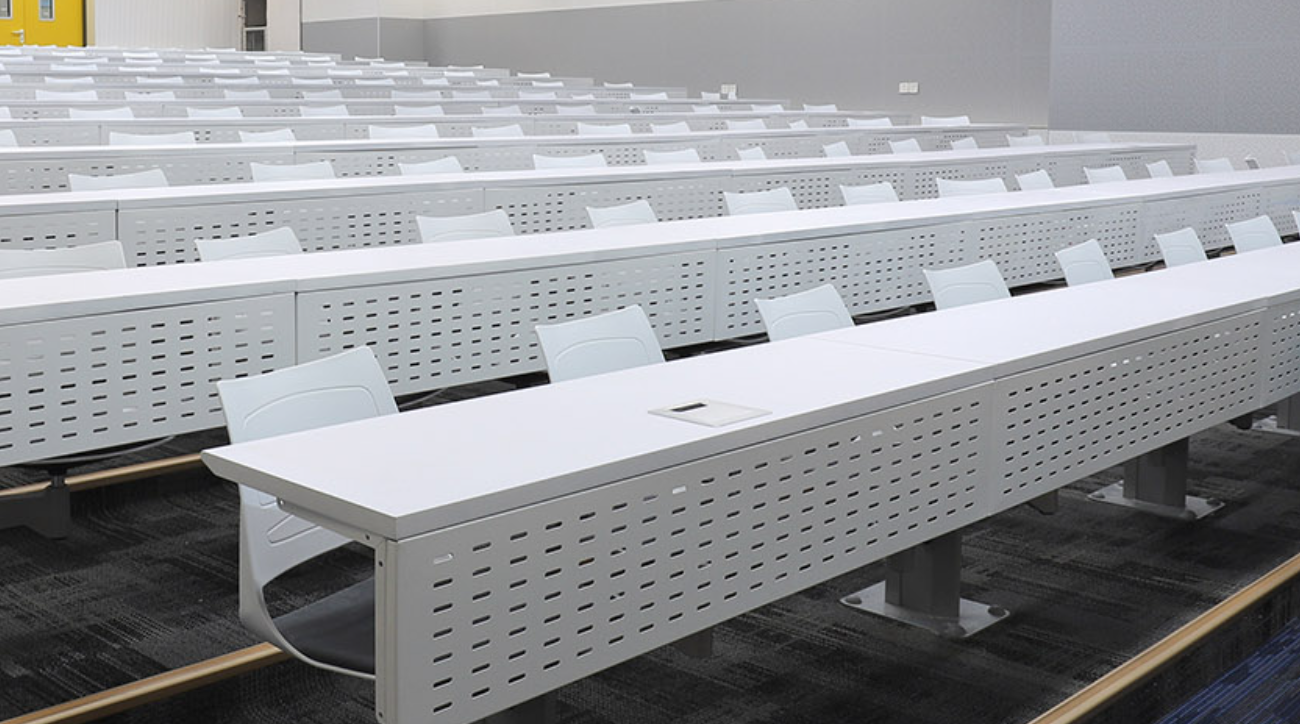
Walk into a refurbished community classroom and you notice the hush, the soft scrape of chair legs, the edge of a table that fits your forearms like it was carved that morning. That’s the difference local furniture choices make, and why managers turn to training room tables when they want durable comfort and clear sightlines. A rectangle training table often becomes the backbone: predictable geometry, easy circulation, and surfaces that take notes and coffee alike without complaint.
Three ways users feel the benefits
When you design around people, small shifts produce big effects. Sensory details matter—grain under fingertips, stable legs that don’t wobble, acoustic calm that keeps focus.
- Comfort and ergonomics: Proper seat height and table depth mean fewer slumped shoulders and better attention. Ergonomics reduces fatigue during long workshops.
- Flow and modular design: Mobile tabletops and lightweight frames let staff reconfigure rooms for lectures, group work, or exams in minutes—saving staff time and frustration.
- Acoustic and visual clarity: Table shapes control sightlines; rectangular layouts support clear front-to-back sightlines and work well with acoustic panels to soften reverberation.
How choices translate into everyday performance
From my experience assisting civic projects after large-scale venue repurposing—think how the 2012 London Olympic sites were adapted for community use—teams prioritized durability and low-maintenance finishes. That practical thinking shows up in three specifications: heavy-duty frames rated for continuous public use, laminate tops that resist staining, and finishes that hide fingerprints. These are concrete procurement terms, not marketing fluff: durability, seat density, and finish resilience matter to custodial crews and to users who expect a room that looks cared-for.
Common missteps and how to avoid them
Planners often over-index on aesthetics and forget daily handling. The usual mistakes: choosing fragile trim, ignoring storage needs, or misjudging aisle widths. When tables are too wide, sightlines suffer; when chairs are too light, they slide underfoot. Fixes are straightforward—match table depth to task (writing vs. laptop work), confirm aisle clearance for accessibility, and specify finishes that accept regular disinfecting without blistering. —Small checks like these save thousands over a room’s lifetime.
Rectangle vs. alternatives: a practical comparison
The rectangle training table is sensible. It creates linear sightlines, stacks neatly, and supports denser seating without chaos. Round tables invite conversation but take more floor space per person; horseshoe setups help presenters but reduce lateral collaboration. If your facility alternates between lecture and breakout modes, modular rectangle units convert fastest and stack or nest for storage—modularity that pairs well with acoustic treatments and flexible AV setups.
Three golden rules for selecting the right training furniture
1) Measure for use: prioritize table depth and seat spacing that match your most common activity—lecture, hands-on workshop, or group work. Use actual user profiles rather than idealized numbers. 2) Prioritize longevity: choose frames and top materials with clear durability metrics and maintenance protocols; test finishes with the cleaners your staff uses. 3) Design for turnover: opt for stackable or nesting rectangle training table options that lower storage footprint and speed room changeovers.
Applied together, these rules yield measurable results: faster room reconfiguration, fewer repair orders, and better user satisfaction. And when the goal is a public facility that stays useful and calm, practical furniture choices point directly to the value provided by leadcom seating —reliable pieces that read like they belong in the room. —Worth noting.