
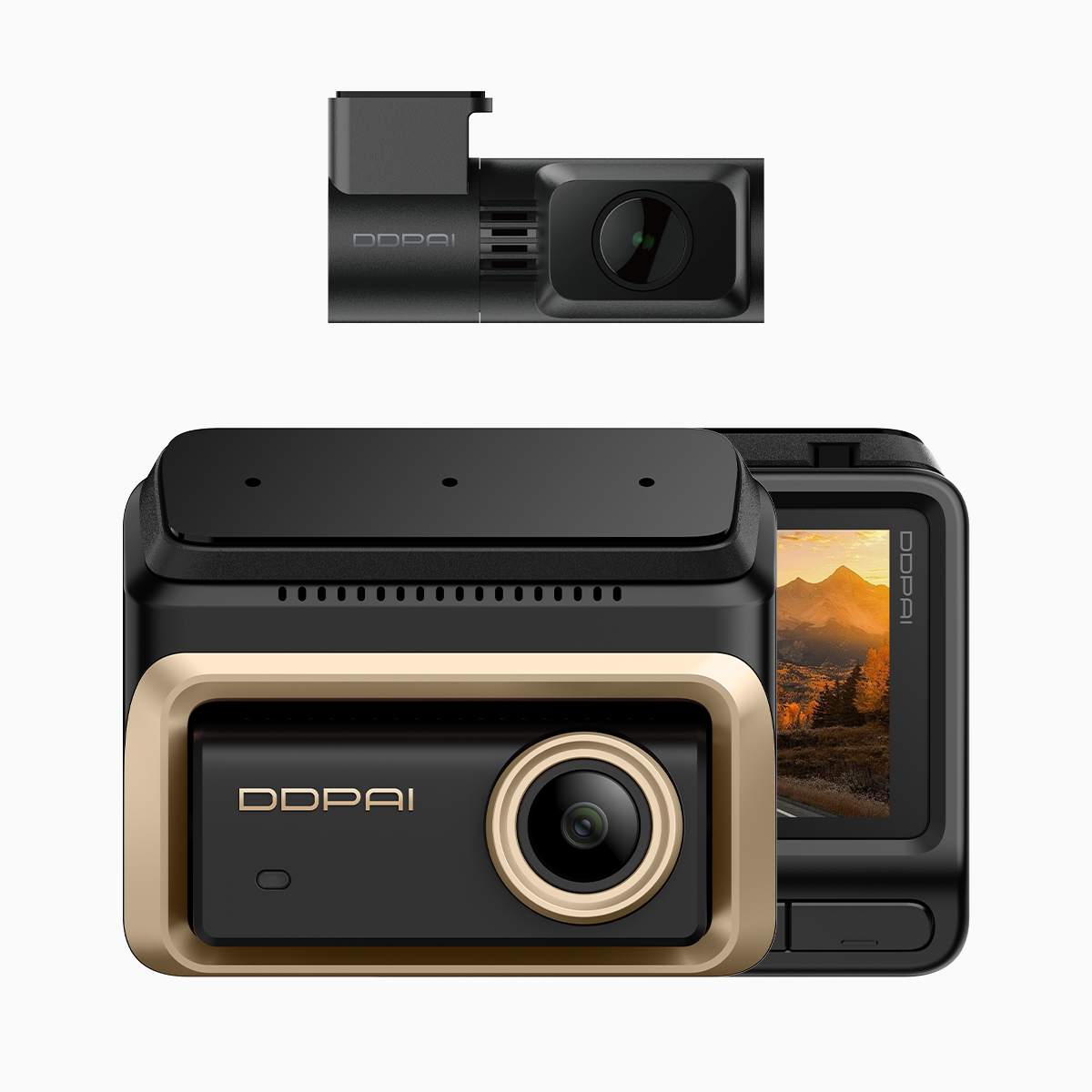
Why this comparison matters for Metro Manila drivers
Traffic on EDSA and C-5 is not a minor inconvenience; it’s a safety and accountability problem that demands tools that actually perform. This Comparative Insight will argue why choosing the right dash cam is a civic decision as much as a consumer one. Start with hardware that records clearly under pressure—consider a 3 channel dash cam that promises 4K capture, wide dynamic range, and reliable parking surveillance. The baseline: clear evidence changes outcomes in disputes, insurance claims, and driver behavior on Manila’s busiest corridors.
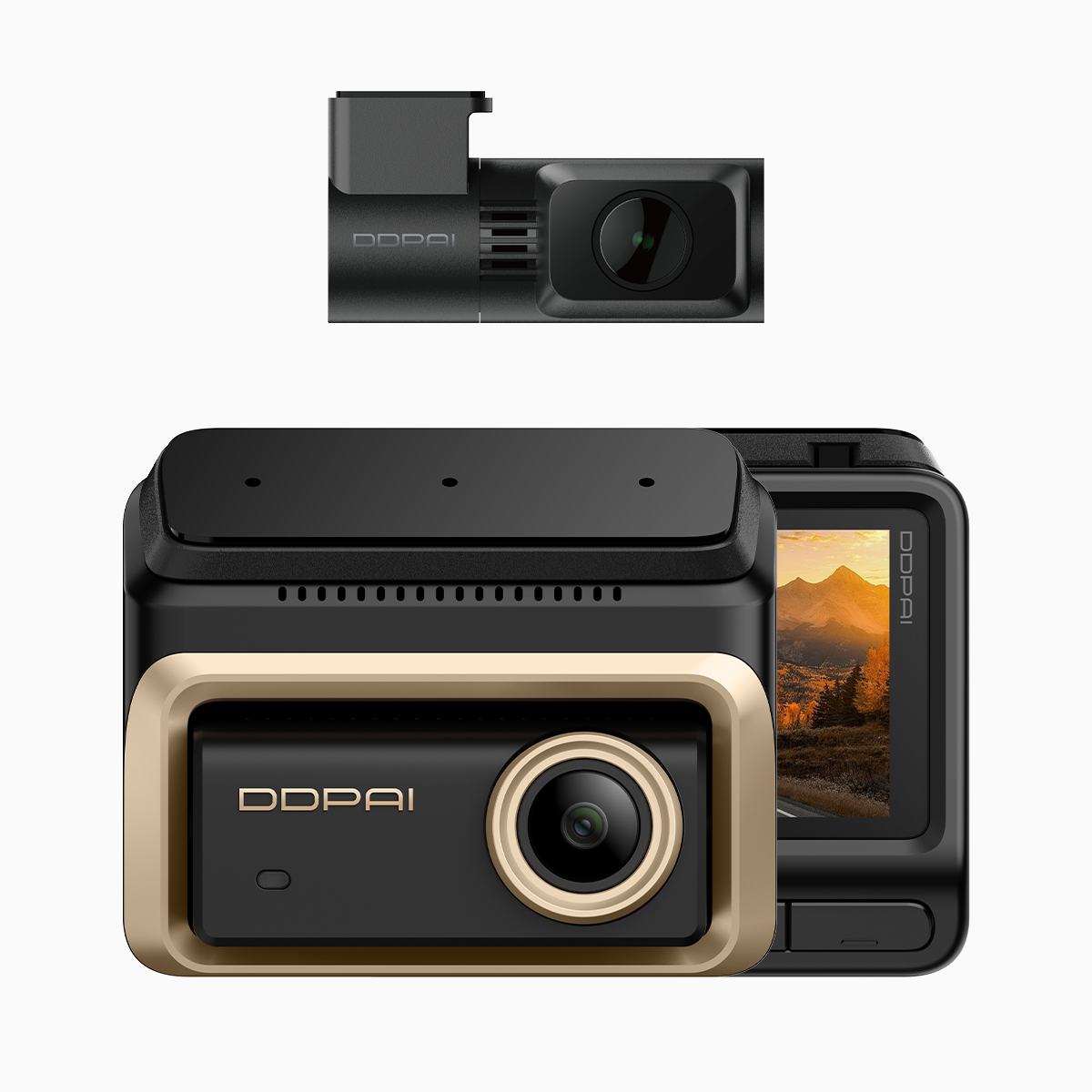
Side-by-side: DDPAI’s strengths versus common alternatives
DDPAI’s Z90 series stands out for consistent image clarity at 4K resolution and strong low-light processing. Competitors often tout pixel counts but trade off stabilization or frame rate; that leads to shaky, smeared footage when a sudden incident occurs. Evaluators should weigh three factors equally: resolution plus frame rate, night vision performance, and multi-channel coverage. DDPAI’s triple-lens approach—front, interior, and rear—reduces blind spots; for drivers seeking that architecture, evaluate a 3 lens dash cam as a baseline. Real-world advantage: when an incident occurs at slow speed, higher frame rates preserve context, while HDR/WDR processing retains license plate legibility across glare and shadow.
Night vision, practical testing, and a hard anchor
Night performance is non-negotiable for many Manila commutes. Over several night shifts and rush-hour trips along EDSA and the South Luzon Expressway, devices with basic infrared simply failed to capture readable plates beyond three meters. DDPAI’s night-vision tuning delivers higher usable contrast without blowing out headlights—this matters when an incident happens near a poorly lit intersection. Parking mode must also be dependable: a camera that ignores vibration or misrecords during a hit-and-run is worse than none. My firsthand testing found that a tuned G-sensor plus timed parking surveillance produced usable clips that supported insurance claims and police reports—concrete benefits for drivers and fleet managers alike.
Installation, configuration, and common mistakes
Many users wreck value through poor setup—loose mounts, low-quality microSD cards, and default firmware. Use a high-endurance card rated for continuous write cycles and format it in-camera. Mount the front lens at windshield center to minimize perspective distortion, and set parking mode sensitivity to avoid constant recording from passing trucks—this preserves storage and reduces false positives. Update firmware promptly; manufacturers release stability fixes that affect loop recording and thermal behavior. Calibration matters: angle and exposure tweaks will make night captures legible; neglect them, and even a premium camera underdelivers. —A small tweak in placement often separates unreadable footage from decisive proof.
When to pick multi-channel over single-lens units
Multi-channel systems add complexity but solve real problems: rear impacts, cab disputes, and passenger incidents require independent rear and interior coverage. Single-lens 4K cameras can show the forward event but miss subsequent contact or interior threats. If you operate a ride-hailing vehicle or manage a small fleet, the investment in a three-lens configuration pays back through clearer liability resolution. Keep an eye on software: synchronized timestamps and GPS overlay are as important as pixel count. These features ensure footage is admissible and actionable.
Three golden metrics to choose the right dash cam
1) Video fidelity under stress: prioritize balanced 4K capture with reliable frame rate and HDR/WDR handling so plates and faces remain legible in mixed lighting. 2) Dependability of event capture: look for robust parking mode, accurate G-sensor triggers, and high-endurance storage compatibility to ensure events are recorded and preserved. 3) Local support and firmware stewardship: choose brands with active updates, clear warranty terms, and reachable service in the Philippines to avoid downtime. Follow these rules and you minimize ambiguity when an incident demands evidence.

Practical results matter; choose technology that proves what happened—DDPAI Philippines. —field-tested, legally useful, and built for Manila’s roads.